Qualify more bankruptcy law leads before the first call
A basic contact form gives you a name, an email, and silence. Cliont greets every visitor with your video, walks them through their matter, collects documents, and hands you a scored, qualified lead.
A custom intake for every bankruptcy law matter
Each one is a ready-to-embed smart survey tuned to the matter — open any to try the exact experience your leads would complete.

Adversary Proceedings
A lawsuit or contested matter filed inside an open bankruptcy case — such as a fight over whether a debt should be discharged, or an effort to recover property or a transfer — that requires its own case number, deadlines, and pleadings separate from the underlying bankruptcy filing.
Preview intake →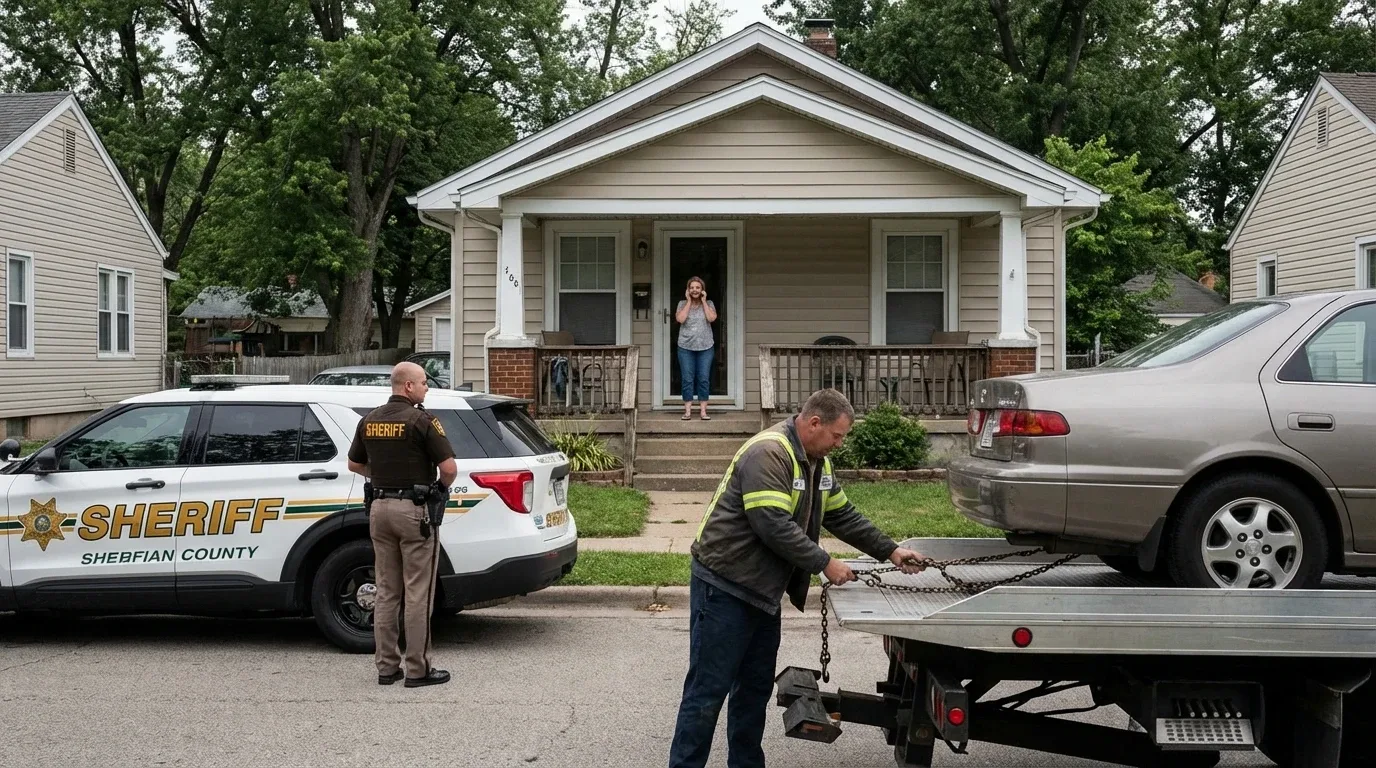
Automatic Stay Enforcement
A claim that a creditor, collector, landlord, lender, or utility took a collection action, lawsuit, eviction, repossession, foreclosure, garnishment, or shutoff after a bankruptcy case was filed, in violation of the automatic stay that freezes pre-petition debt actions.
Preview intake →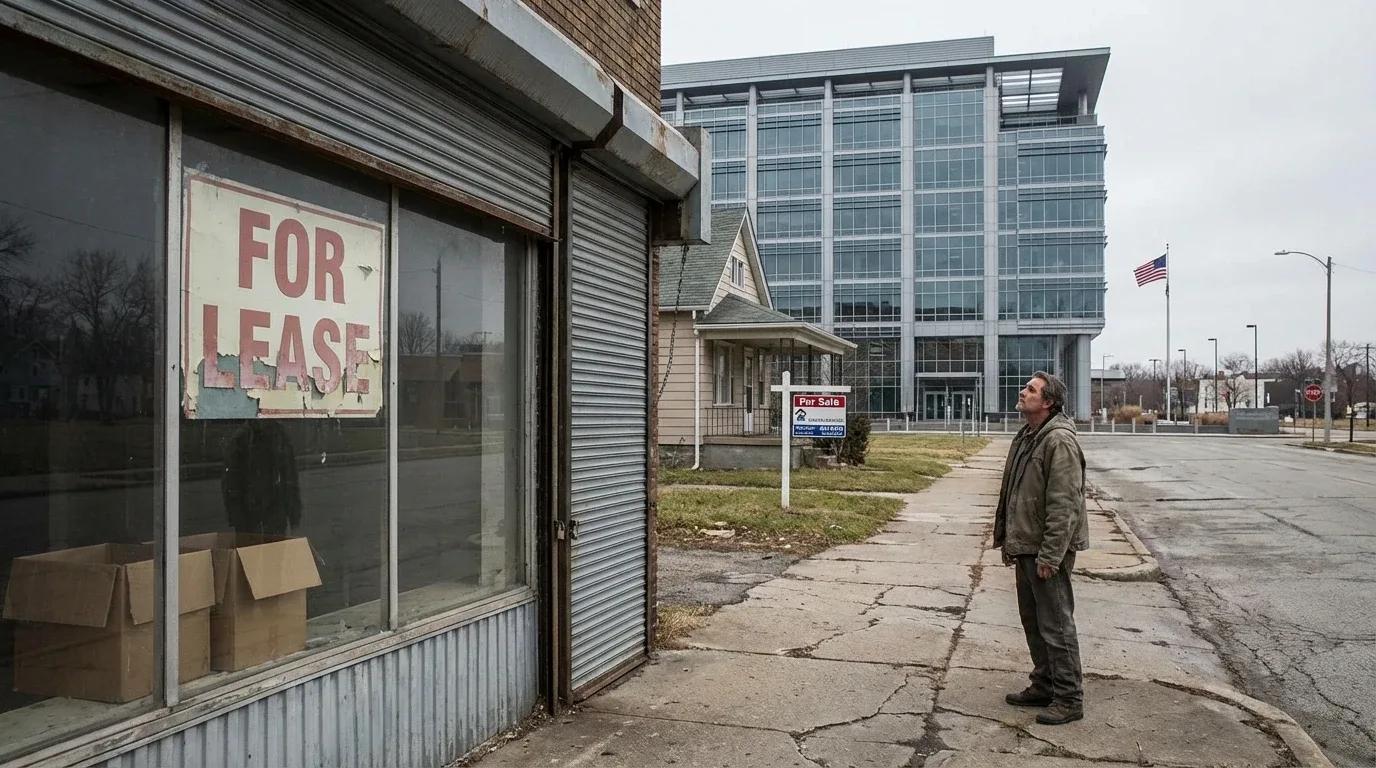
Bankruptcy Appeals
Appealing an order or judgment already entered by a U.S. bankruptcy court, brought by a debtor, creditor, trustee, or other party directly affected by that ruling. Qualifying it means confirming standing, whether a written order exists, and whether the 14-day appeal window is still open.
Preview intake →
Business Bankruptcy
Business Bankruptcy covers a company's use of federal bankruptcy protection to restructure or wind down debt, typically triggered by unpaid vendor bills, payroll or tax debt, creditor lawsuits, or an owner's exposure on business obligations signed in their own name.
Preview intake →
Chapter 11 Reorganization
Chapter 11 Reorganization is a bankruptcy filing that lets a business, or an individual with significant business-related debts, keep operating while restructuring what it owes under a court-approved repayment plan.
Preview intake →
Chapter 12 Family Farmer or Fisherman
Chapter 12 reorganization for family farmers and commercial fishermen who want to keep their operation running while repaying operation-related debt over time, available only to filers who meet the federal eligibility criteria for this chapter.
Preview intake →
Chapter 13 Wage Earner Plans
A Chapter 13 wage earner plan is a court-supervised repayment arrangement for individuals with regular income who want to catch up on secured debt (like a mortgage or car loan) and pay down other debts over three to five years instead of liquidating assets.
Preview intake →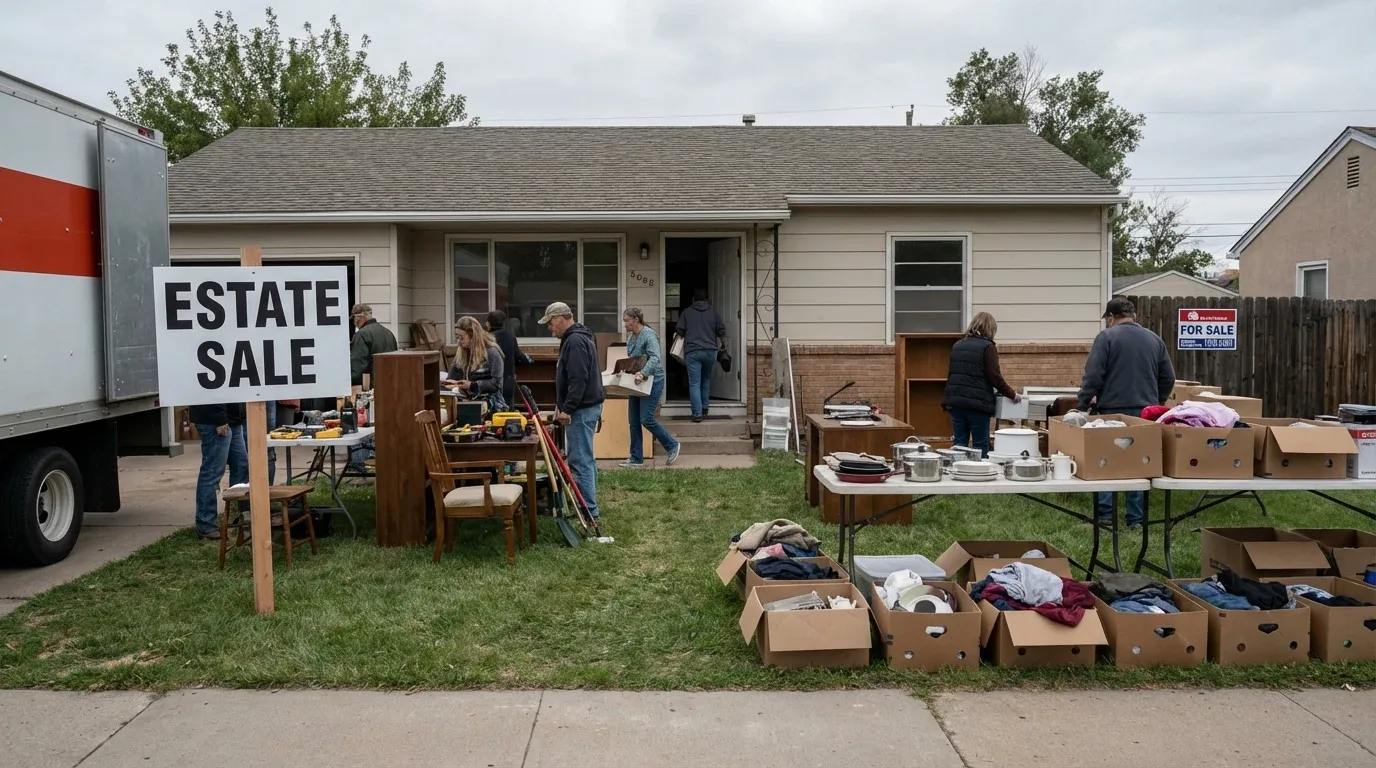
Chapter 7 Liquidation
Chapter 7 liquidation is the bankruptcy process where an individual's unsecured debts are discharged, typically triggered by an inability to keep up with bills, a wage garnishment, or a looming foreclosure — intake needs to confirm residency, individual (not business-only) filing intent, and recent bankruptcy history before a fit can be assessed.
Preview intake →
Consumer Bankruptcy
Consumer Bankruptcy covers personal debt relief filings for individuals rather than businesses, typically Chapter 7 or Chapter 13, qualified on debt type, unsecured debt load, income stability, residency, and prior filing history.
Preview intake →
Cramdown
Cramdown is a Chapter 13 or Chapter 11/12 mechanism that reduces a secured loan to the collateral's current fair market value when the balance owed exceeds it, letting a debtor keep the property while paying the reduced amount through a court-approved repayment plan.
Preview intake →
Creditor Representation
Legal representation for an individual or business owed money when the debtor has filed for bankruptcy or is about to file, covering claim filing, objections, and protecting the creditor's recovery rights in the case.
Preview intake →
Debt Negotiation and Settlement
Working with creditors outside of formal bankruptcy to reduce, consolidate, or restructure unsecured personal debt — typically for people already behind on payments, in collections, or facing a lawsuit, garnishment, or bank levy.
Preview intake →
Debtor Representation
Representation of an individual consumer debtor seeking bankruptcy relief for their own debts, qualified by personal (not business) filing status, U.S. residency or asset location, current debt distress, and any filing history within the last 8 years.
Preview intake →
Dischargeability Litigation
A court dispute, inside an open or planned bankruptcy case, over whether a specific debt can be wiped out — typically raised by a creditor challenge, a trustee objection, or the debtor's own request for a ruling on debts like fraud claims, taxes, student loans, or support obligations.
Preview intake →
Foreclosure Defense in Bankruptcy
Using bankruptcy protections, primarily the automatic stay and a Chapter 13 repayment plan, to stop or delay a home foreclosure and give a borrower time to cure missed mortgage payments or negotiate an alternative outcome.
Preview intake →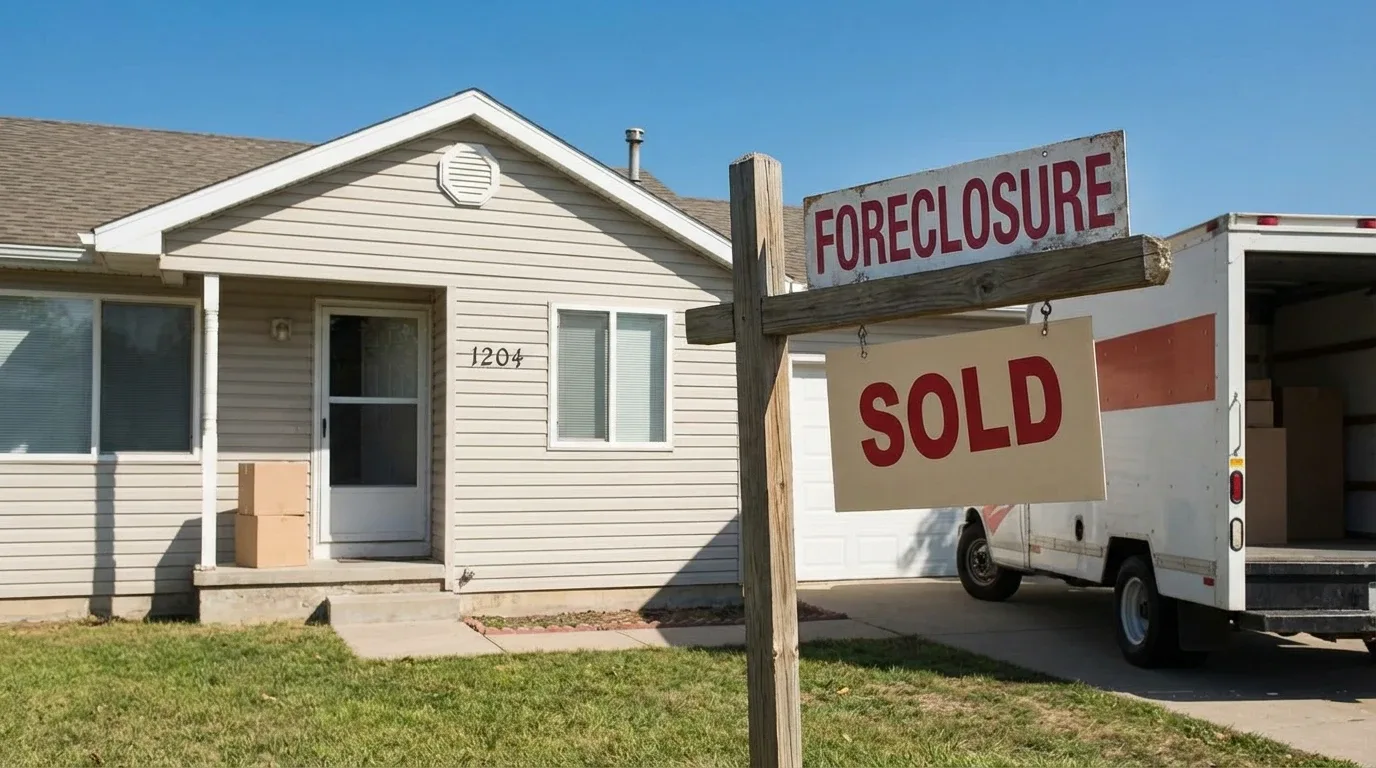
Lien Avoidance and Strip-Off
A bankruptcy motion or adversary action to remove or reduce a junior lien—typically a second mortgage, HELOC, or judgment lien—when the underlying property has too little equity to cover it after the first mortgage.
Preview intake →
Means Test Analysis
A means test analysis intake gathers the household size, six-month income history, monthly living costs, and debt type needed to estimate whether a prospective client is likely to qualify for Chapter 7 or would need a Chapter 13 payment plan.
Preview intake →
Out-of-Court Workouts
A negotiated resolution of consumer or business debt—settlement, payment plan, or forbearance—reached directly with creditors instead of through a bankruptcy filing, which requires the prospective client to have identifiable creditors and some capacity to pay.
Preview intake →
Plan Confirmation
Legal work to get a debtor's Chapter 13 repayment plan approved by the bankruptcy court, including responding to trustee or creditor objections before or at the confirmation hearing.
Preview intake →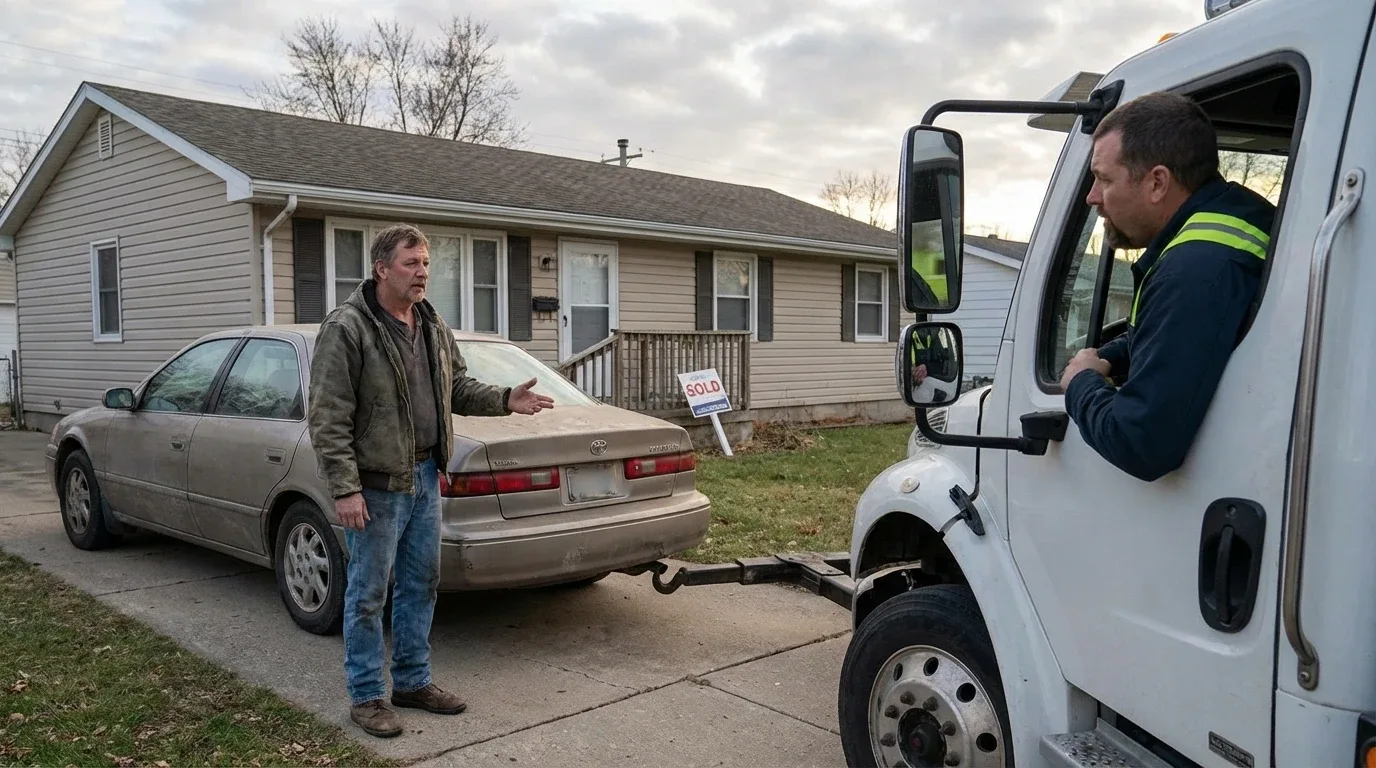
Repossession Defense
Defense against vehicle repossession, covering both cars already seized and repossessions that are imminent within days, where the prospective client wants to keep or recover the vehicle and needs the intake to confirm income and prior filing history before booking time with an attorney.
Preview intake →
Subchapter V Small Business
A streamlined Chapter 11 path for business owners whose company debt falls under the statutory cap, aimed at owners who want to keep operating while restructuring what they owe.
Preview intake →
Wage Garnishment Relief
Legal help to stop, reduce, or challenge an active or imminent wage garnishment tied to a debt, most often pursued through a bankruptcy filing, automatic stay, or motion against the underlying judgment.
Preview intake →Information you need before every bankruptcy law matter
- In U.S. Bankruptcy Case
- Received Written Notice About
- There Deadline Coming Up
- Dispute About Whether Specific
- Dispute About Property Or
- Person Who Filed Bankruptcy,
- Have Bankruptcy Case Number
- Filed Bankruptcy Case In
- Collection, Lawsuit, Eviction, Repossession,
- Action Against Debt Or
How bankruptcy law lead scoring works
Value signals
- In U.S. Bankruptcy Case: yes
- Received Written Notice About: yes
- There Deadline Coming Up: yes
- Dispute About Whether Specific: yes
- Dispute About Property Or: yes
- Person Who Filed Bankruptcy,: yes
Urgency signals
- Reorganize And Keep Operating
- Facing Urgent Threat Like
- Farming Or Fishing Operation
- Want Keep Farm Or
- Trying Stop Urgent Action
- Trying Stop Or Deal
Lower-fit signals
- Filed Bankruptcy In Last: no
- Filed Bankruptcy Before: no
- In Active Bankruptcy Case: no
- Represented By Bankruptcy Lawyer: no
- Working With Bankruptcy Lawyer: no
Your visitor has a real matter. A contact form can’t hear it.
People and businesses seeking counsel arrive ready to explain the matter. Give them a conversation instead of a dead form — and get exactly what you need to win it.
Three empty fields and silence
- No matter details or scope
- No documents or context
- No way to tell a real lead from a tire-kicker
- You chase; most never reply
A guided conversation that converts
- Full matter scope in their own words
- Reports, contracts, and filings attached automatically
- Every lead scored by value
- High-intent leads flagged for you
From first click to qualified lead
Follow people and businesses seeking counsel through one smooth, guided flow.
They land & meet you
Your video greeting plays instantly — a real face instead of a blank form.
They explain the matter
Smart questions adapt to their matter and capture the full scope.
They share the documents
The facts, dates, and any paperwork come attached, so you can assess the matter before the consultation.
You get a ready lead
Scored and qualified — waiting for you to win it.
From template to routed lead
Cliont handles website intake and qualification; your existing business system remains the source of record after handoff.
Choose the right intake
Start with the industry, service, and matter template that matches the work you want to qualify.
Configure the experience
Add your video greeting, keep the questions you need, and choose which answers affect fit, urgency, and value.
Connect it to your site
Embed the guided intake on the relevant service page and test the complete phone, tablet, and desktop experience.
Route the qualified lead
Send the score, answers, and uploads into your chosen notification, CRM, or calendar workflow for staff follow-up.
Bankruptcy Law lead-intake FAQs
What does a bankruptcy law intake collect?
Each bankruptcy law template asks job-specific questions drawn from the selected service, then captures contact details and relevant documents. The resulting submission gives the team more context than a name-and-email contact form.
How are bankruptcy law leads scored?
Cliont weights answers that indicate scope, urgency, fit, and potential value. It sends the score with the visitor's answers so the team can prioritize stronger bankruptcy law opportunities without manually reviewing every raw submission first.
Can visitors try a bankruptcy law intake on a phone?
Yes. The guided intake is designed for mobile, tablet, and desktop browsers. Visitors can answer questions and attach the requested files from the device they already have with them.
Where can qualified bankruptcy law leads be sent?
Cliont can route qualified leads to email, SMS, Slack, common CRM and calendar tools, Zapier, webhooks, or an API workflow. Cliont handles lead intake and qualification; the connected practice or business system remains the source of record after handoff.
Simple, transparent pricing
Choose the plan that works for your business.
Professional
Unlimited intake forms and leads for your growing business.
- Unlimited intake forms
- Custom video greetings
- AI-powered voice bot
- English + Spanish support
- Automatic lead scoring
- Digital estimates & e-signatures
- Photo, video & file upload
- Advanced analytics dashboard
Pay Per Lead
Only pay when you receive a qualified lead.
- Unlimited intake forms
- Custom video greetings
- AI-powered voice bot
- English + Spanish support
- Automatic lead scoring
- Digital estimates & e-signatures
- Photo, video & file upload
- Charged only for submitted leads
Browse every legal intake template
While they’re still using contact forms, you’re booking cases
Give every website visitor a guided, bilingual, qualifying intake — and turn your bankruptcy law traffic into signed work.