Qualify more estate planning and probate leads before the first call
A basic contact form gives you a name, an email, and silence. Cliont greets every visitor with your video, walks them through their matter, collects documents, and hands you a scored, qualified lead.
A custom intake for every estate planning and probate matter
Each one is a ready-to-embed smart survey tuned to the matter — open any to try the exact experience your leads would complete.

Advance Healthcare Directives and Living Wills
An advance healthcare directive or living will names a healthcare agent and/or records end-of-life care wishes, and it must be signed while the person still has the legal capacity to understand and decide.
Preview intake →
Ancillary Probate
A secondary probate proceeding opened in a state where the deceased owned real estate but was not domiciled, run alongside the primary probate case in the home state so the property can be cleared for sale or transfer.
Preview intake →
Asset Protection Trusts
Forward-looking trust planning that shields a person's assets from future creditors, lawsuits, or long-term care costs, distinct from transfers made after a lawsuit or debt problem has already arisen.
Preview intake →
Beneficiary Disputes
A conflict over who is entitled to receive money or property from a deceased person's will, trust, or beneficiary designation, often involving claims of undue influence, lack of mental capacity, or an executor or trustee mismanaging assets.
Preview intake →
Business Succession Planning
Legal planning for what happens to a privately held business if an owner dies, becomes incapacitated, or exits — covering successor selection, multi-owner agreements, and the tax and court exposure a lack of planning creates.
Preview intake →
Certification of Trust
A short, notarized document that confirms a trust exists, is currently in effect, and identifies who is authorized to act on its behalf — typically requested by a bank, title company, or other institution handling a trustee's transaction.
Preview intake →
Charitable Trusts
A charitable trust arrangement where a donor places assets into a trust that splits benefit between one or more charities and non-charitable beneficiaries, typically structured as a charitable remainder trust or charitable lead trust for income and tax planning purposes.
Preview intake →
Digital Asset Planning
Planning for what happens to a client's online accounts, digital files, and access credentials if they die or become incapacitated, including naming a trusted person to manage or close key accounts.
Preview intake →
Elder Law Planning
Legal planning for the care, finances, and decision-making authority of an aging family member, covering long-term care costs, Medicaid or asset-protection needs, and capacity concerns.
Preview intake →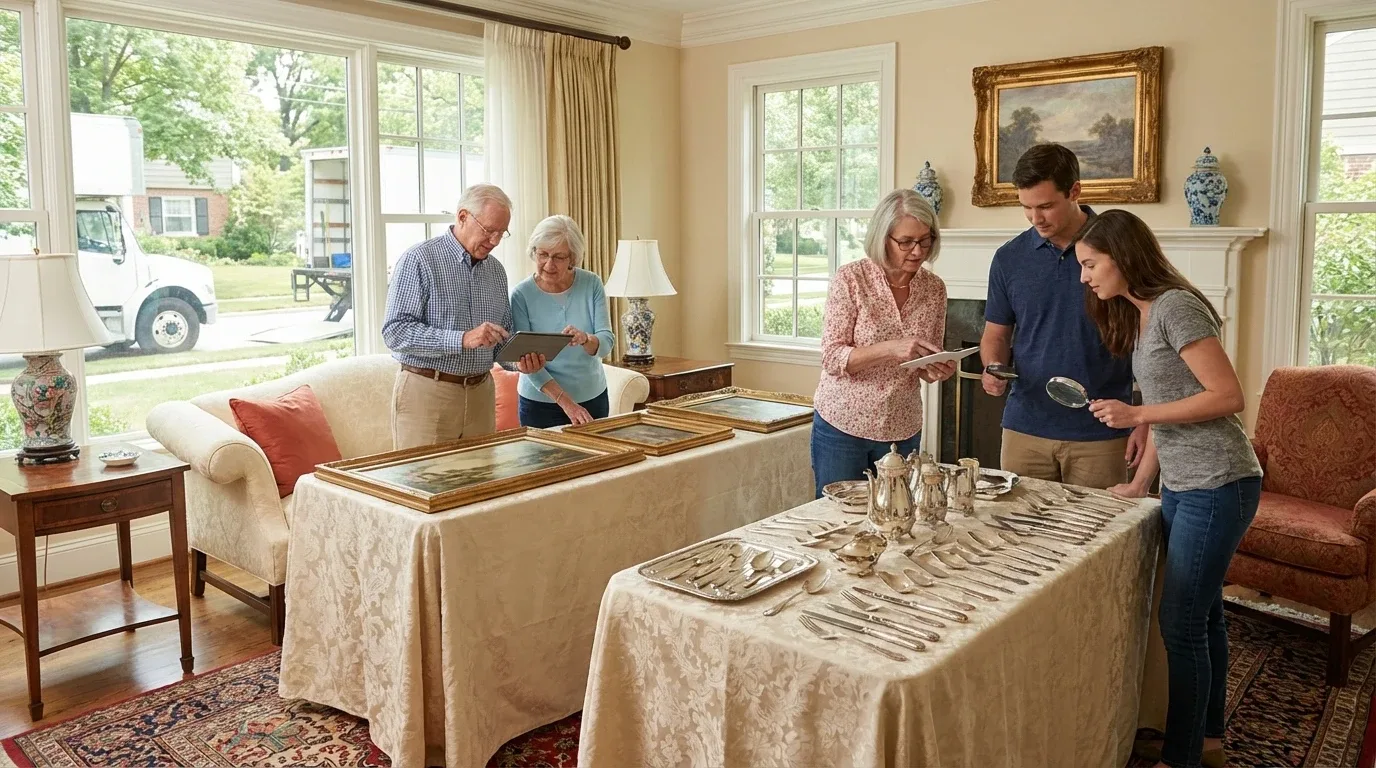
Estate Accounting
A formal reckoning of an estate or trust's assets, debts, income, expenses, and distributions, usually requested by an executor, trustee, or beneficiary who needs a clear record of what happened to the money.
Preview intake →
Estate Administration
Estate Administration covers the post-death work of settling a decedent's affairs: inventorying assets, resolving debts and creditor claims, and distributing property to heirs or beneficiaries under a will, intestacy, or court supervision.
Preview intake →
Estate Mediation
A structured negotiation process used to resolve disputes over a will, trust, or inheritance between beneficiaries or family members, typically as an alternative to contested probate litigation.
Preview intake →
Estate Planning
Creating or updating the core documents that protect a person's assets and family, such as a will, trust, power of attorney, or healthcare directive, before those needs turn into a probate or trust dispute.
Preview intake →
Executor and Trustee Services
Legal support for someone acting as (or dealing with) an executor of a will or a trustee of a trust — covering active estate or trust administration, handling assets, and resolving concerns about who should serve or how the role is being carried out.
Preview intake →
Executor Representation
Legal representation for someone named executor of a will, covering probate filings, court accountings, beneficiary or creditor disputes, and personal liability exposure while administering an estate.
Preview intake →
Family Limited Partnerships
Legal work to form, revise, or unwind a family limited partnership that holds real estate, a business, or investments so a family can pass those assets to the next generation while keeping defined control, tax, or creditor-protection terms in place.
Preview intake →
Fiduciary Litigation
A dispute over an executor, trustee, guardian, or agent under a power of attorney who is believed to have mishandled estate or trust assets, breached fiduciary duties, or hidden information from beneficiaries.
Preview intake →
Financial Power of Attorney
A legal document naming someone to handle a person's financial matters—banking, bills, taxes, or real estate—either immediately or if they later become incapacitated.
Preview intake →
Formal Probate
Court-supervised administration of a deceased person's estate, required when there is a contested will, no will at all, or assets solely titled in the decedent's name above the state's summary-probate threshold.
Preview intake →
General Assignment of Assets to Trust
A general assignment of assets to trust is the document (or set of documents) used to formally transfer a client's individually held property — real estate, accounts, business interests — into an existing or planned trust, so the trust actually controls what it's meant to.
Preview intake →
Generation-Skipping Trusts
A generation-skipping trust intentionally bypasses the client's children to pass wealth to grandchildren or later generations, and typically involves allocating GST tax exemption as part of a larger estate plan.
Preview intake →
Gift Tax Planning
Gift tax planning covers structuring lifetime gifts of cash, property, or business interests to minimize gift tax exposure, make use of annual exclusions and the lifetime exemption, and handle related reporting or compliance.
Preview intake →
Guardianship and Conservatorship
A court proceeding that gives a family member or caregiver legal authority to make health, living, or financial decisions for a person who can no longer safely manage those decisions themselves.
Preview intake →
Healthcare Power of Attorney
A healthcare power of attorney document lets a client name someone to make medical decisions on their behalf if they become unable to decide for themselves; the intake needs to confirm this is a planning matter (not an existing dispute), that the client meets basic eligibility, and whether they already have a trusted agent in mind.
Preview intake →
Heggstad Petitions
A California probate court procedure (Probate Code §850) used to confirm that an asset left titled in a deceased person's individual name — like a house or bank account — actually belongs to their existing trust, avoiding full probate when the transfer was simply never completed.
Preview intake →
HIPAA Authorizations
A HIPAA authorization is the signed document naming who can access a person's protected health information, prepared for a specific state and often tied to broader incapacity planning. The intake needs to confirm the signer's current capacity, the governing state, and who they want named before a consultation is booked.
Preview intake →
Informal Probate
A simplified probate process available when an estate has a valid will, no disputes among heirs, and is eligible for filing with a probate registrar rather than a full court hearing.
Preview intake →
Irrevocable Trusts
A trust arrangement that generally cannot be changed or revoked once signed, most often used for asset protection, Medicaid/long-term care planning, or tax reduction — the intake needs to confirm who the caller is to the trust, whether they hold the trust document, and whether a deadline or dispute is driving the request.
Preview intake →
Life Insurance Trusts (ILIT)
An Irrevocable Life Insurance Trust (ILIT) holds a life insurance policy outside a client's taxable estate so the death benefit passes to beneficiaries free of estate tax; qualification hinges on estate size relative to the exemption threshold, whether a new or existing ILIT is involved, and the client's willingness to give up ownership of the policy.
Preview intake →
Long-Term Care Planning
Long-term care planning covers the legal work of structuring how a nursing home, assisted living, or in-home care stay gets paid for and how a family's assets are protected in the process — the intake needs to know who the care is for, when it's needed, and what there is to protect.
Preview intake →
Medicaid Planning
Legal planning to structure a person's assets, income, and legal authority so they can qualify for Medicaid coverage of nursing home or in-home long-term care, factoring in the five-year lookback period and any dependents relying on the person's income or home.
Preview intake →
Personal Representative Representation
Legal representation for someone appointed, or seeking appointment, as the personal representative (administrator) of an estate, covering fiduciary duties, creditor and tax obligations, required court filings, and personal liability exposure.
Preview intake →
Pet Trusts
A legal arrangement that sets aside money or property, managed by a chosen trustee, to pay for a named caregiver to look after a pet if the owner dies or becomes unable to provide care.
Preview intake →
Planning for Blended Families
Estate planning for a spouse or partner where one or both have children from a previous relationship, focused on balancing provision for the surviving spouse against protecting each side's children.
Preview intake →
Pour-Over Wills
A pour-over will is a short will used alongside a living trust that directs any assets left outside the trust at death to be poured into it, closing gaps in trust funding rather than serving as a standalone estate plan.
Preview intake →
Probate Administration
The court-supervised process of settling a deceased person's estate after death — validating a will if one exists, identifying assets that don't already transfer automatically, paying debts, and distributing what remains to heirs or beneficiaries.
Preview intake →
Qualified Personal Residence Trusts (QPRT)
An irrevocable trust strategy where a homeowner transfers a personal residence or vacation home into trust while retaining the right to live there for a set term of years, reducing the property's taxable gift value at transfer.
Preview intake →
Retirement Plan Trusts
Legal work to name a trust as beneficiary of a retirement account (401(k), IRA, or similar plan) so the funds pass under trust terms rather than directly to an individual, often to control timing, protect a vulnerable beneficiary, or align with an existing estate plan.
Preview intake →
Revocable Living Trusts
A revocable living trust is an estate-planning document that lets someone place assets like a home, bank accounts, or a business under their own control during life while naming who manages and inherits them after death, with terms that can be changed at any time. From an intake standpoint, qualifying this lead means confirming there is a living person with assets to fund, who is authorized to make that decision, and what outcome — probate avoidance, incapacity planning, or multi-state coordination — they are trying to reach.
Preview intake →
Small Estate Affidavits
A small estate affidavit lets an heir or next of kin collect a deceased person's bank accounts, vehicles, or personal property without opening a full probate case, provided the estate's value falls under the state's statutory threshold and the required waiting period has passed.
Preview intake →
Special Needs Trusts
A trust structured to hold assets for a person with a disability without disqualifying them from means-tested government benefits like SSI or Medicaid, usually funded by an inheritance, settlement, life insurance, or family savings.
Preview intake →
Summary Administration
Summary administration is an expedited probate process available in many states for small, uncontested estates, used instead of full formal probate when the estate's assets are limited and there's no dispute over who inherits them.
Preview intake →
Trust Administration
Trust administration covers the legal steps required to carry out a trust after it becomes active — identifying the trustee or beneficiaries, locating the trust document, and managing or distributing the trust's assets.
Preview intake →
Trust Amendments and Modifications
A formal update to an existing trust's terms — such as who serves as trustee, who the beneficiaries are, or how assets are distributed — made through an amendment rather than drafting an entirely new trust.
Preview intake →
Trust Contests
A trust contest is a legal challenge to the validity of a trust (or a defense against such a challenge), typically based on claims of lack of capacity, fraud, duress, or undue influence at the time the trust was created or amended.
Preview intake →
Trust Funding
The process of retitling and transferring assets—real estate, accounts, investments, beneficiary designations—into an already-created trust so it functions as intended and avoids probate.
Preview intake →
Trust Restatements
A full rewrite of an existing revocable trust's terms — keeping the original trust's date and funding intact — used when a trust has been amended repeatedly, life circumstances have shifted, or law changes make the current document hard to follow.
Preview intake →
Undue Influence Claims
A claim that someone in a position of trust manipulated a vulnerable person into changing a will, trust, or other estate document in the influencer's favor, at the expense of the natural beneficiaries.
Preview intake →
Will Contests
A legal challenge to the validity of a deceased person's will, usually based on claims of lack of capacity, undue influence, forgery, or improper signing, brought by someone with standing to inherit under that will or by law.
Preview intake →
Wills
Drafting a new last will and testament, or updating an existing one, for an individual who wants to direct how their property and dependents are handled after death — qualified by testamentary capacity, state residency, and whether there's an estate to distribute.
Preview intake →Information you need before every estate planning and probate matter
- Create, Update, Or Replace
- Person Who Document (Or
- Person Who Will Sign
- Person Who Document In
- Know Which U.S. State
- Want Name Someone Trust
- Have Specific Wishes About
- Someone Died Who Owned
- Out- -State Property Still
- Executor/Personal Representative, Family Member/Heir,
How estate planning and probate lead scoring works
Value signals
- Create, Update, Or Replace: yes
- Person Who Document (Or: yes
- Person Who Will Sign: yes
- Person Who Document In: yes
- Know Which U.S. State: yes
- Want Name Someone Trust: yes
Urgency signals
- Have Specific Wishes About
- Trust Active (Not Revoked
- There Active Disagreement Among
- Person Passed Away, Or
- There Deadline Or Urgent
- There Urgent Concern Right
Lower-fit signals
- Facing Lawsuit, Creditor Collection: no
- Have Written Agreement Or: no
- Elderly Person Have Estate: no
Your visitor has a real matter. A contact form can’t hear it.
People and businesses seeking counsel arrive ready to explain the matter. Give them a conversation instead of a dead form — and get exactly what you need to win it.
Three empty fields and silence
- No matter details or scope
- No documents or context
- No way to tell a real lead from a tire-kicker
- You chase; most never reply
A guided conversation that converts
- Full matter scope in their own words
- Reports, contracts, and filings attached automatically
- Every lead scored by value
- High-intent leads flagged for you
From first click to qualified lead
Follow people and businesses seeking counsel through one smooth, guided flow.
They land & meet you
Your video greeting plays instantly — a real face instead of a blank form.
They explain the matter
Smart questions adapt to their matter and capture the full scope.
They share the documents
The facts, dates, and any paperwork come attached, so you can assess the matter before the consultation.
You get a ready lead
Scored and qualified — waiting for you to win it.
From template to routed lead
Cliont handles website intake and qualification; your existing business system remains the source of record after handoff.
Choose the right intake
Start with the industry, service, and matter template that matches the work you want to qualify.
Configure the experience
Add your video greeting, keep the questions you need, and choose which answers affect fit, urgency, and value.
Connect it to your site
Embed the guided intake on the relevant service page and test the complete phone, tablet, and desktop experience.
Route the qualified lead
Send the score, answers, and uploads into your chosen notification, CRM, or calendar workflow for staff follow-up.
Estate Planning and Probate lead-intake FAQs
What does a estate planning and probate intake collect?
Each estate planning and probate template asks job-specific questions drawn from the selected service, then captures contact details and relevant documents. The resulting submission gives the team more context than a name-and-email contact form.
How are estate planning and probate leads scored?
Cliont weights answers that indicate scope, urgency, fit, and potential value. It sends the score with the visitor's answers so the team can prioritize stronger estate planning and probate opportunities without manually reviewing every raw submission first.
Can visitors try a estate planning and probate intake on a phone?
Yes. The guided intake is designed for mobile, tablet, and desktop browsers. Visitors can answer questions and attach the requested files from the device they already have with them.
Where can qualified estate planning and probate leads be sent?
Cliont can route qualified leads to email, SMS, Slack, common CRM and calendar tools, Zapier, webhooks, or an API workflow. Cliont handles lead intake and qualification; the connected practice or business system remains the source of record after handoff.
Simple, transparent pricing
Choose the plan that works for your business.
Professional
Unlimited intake forms and leads for your growing business.
- Unlimited intake forms
- Custom video greetings
- AI-powered voice bot
- English + Spanish support
- Automatic lead scoring
- Digital estimates & e-signatures
- Photo, video & file upload
- Advanced analytics dashboard
Pay Per Lead
Only pay when you receive a qualified lead.
- Unlimited intake forms
- Custom video greetings
- AI-powered voice bot
- English + Spanish support
- Automatic lead scoring
- Digital estimates & e-signatures
- Photo, video & file upload
- Charged only for submitted leads
Browse every legal intake template
While they’re still using contact forms, you’re booking cases
Give every website visitor a guided, bilingual, qualifying intake — and turn your estate planning and probate traffic into signed work.