Qualify more insurance law leads before the first call
A basic contact form gives you a name, an email, and silence. Cliont greets every visitor with your video, walks them through their matter, collects documents, and hands you a scored, qualified lead.
A custom intake for every insurance law matter
Each one is a ready-to-embed smart survey tuned to the matter — open any to try the exact experience your leads would complete.

Bad Faith Litigation
Bad faith litigation involves pursuing an insurance company that denied, delayed, or underpaid a claim it should have covered; qualifying the lead means confirming a valid policy and filed claim existed, how the insurer actually responded, and whether that response caused real financial harm.
Preview intake →
Builders Risk
Disputes over builders risk insurance policies covering construction or renovation projects — claims involving loss or damage at the job site, insurer denials, delays, or underpayment, and questions about who is authorized to claim under the policy.
Preview intake →
Business Interruption Claims
A dispute over lost income or extra expenses a business incurred after being forced to close, reduce hours, or scale back operations due to a covered event, where the insurer has denied, underpaid, delayed, or is disputing the business interruption portion of a commercial policy.
Preview intake →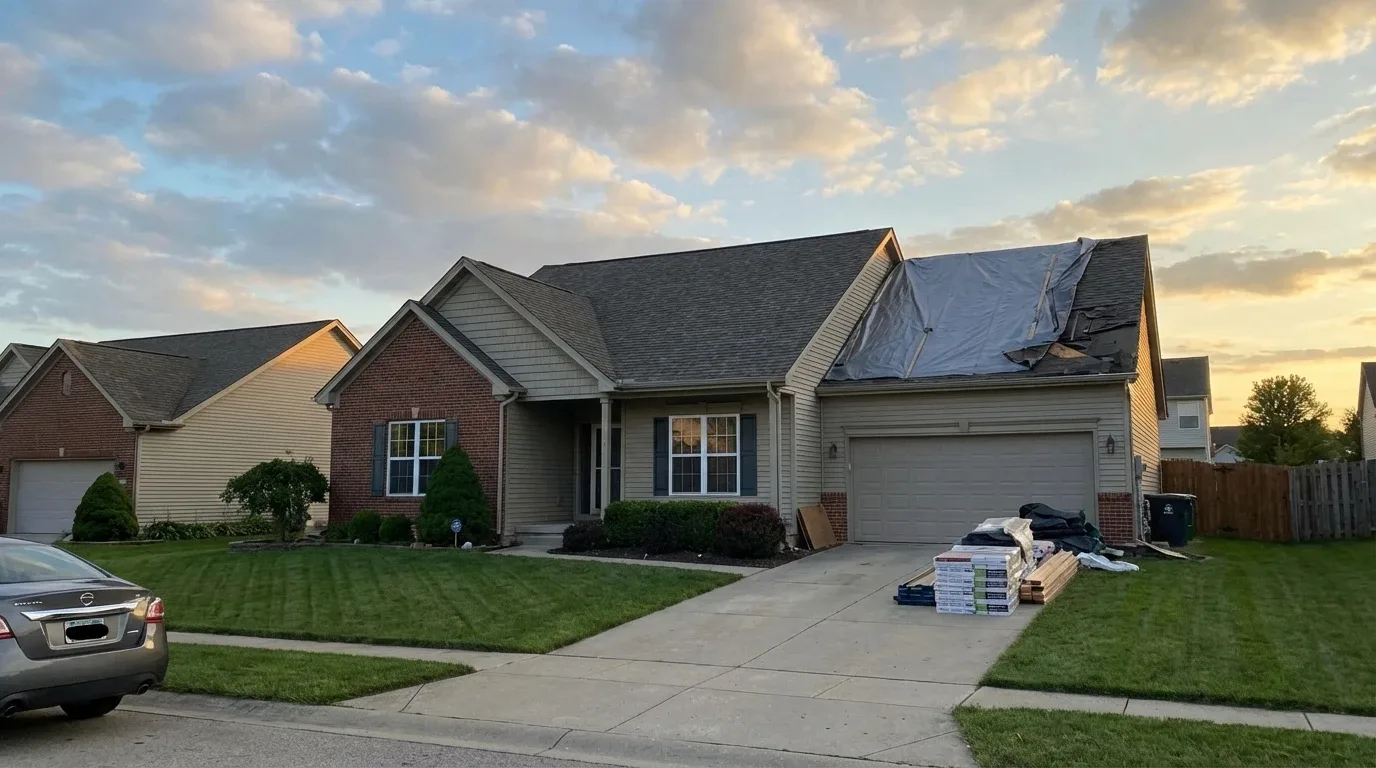
Claim Denial Appeals
Appeals of a fully or partially denied, reduced, or unpaid insurance claim — across health, auto, home, life, or disability policies — where the client is contesting the insurer's decision and seeking payment.
Preview intake →
Coverage Analysis and Opinions
Coverage Analysis and Opinions covers reviewing an existing insurance policy or claim — including any denial or reservation-of-rights letter — to determine what that specific policy does and does not cover for a specific insured party.
Preview intake →
Cyber Insurance Claims
Legal representation for a business disputing how its insurer is handling a cyber incident claim — covering denied, delayed, or underpaid payouts for events like ransomware, hacking, data theft, or business email compromise under an active cyber policy.
Preview intake →
Directors and Officers Liability
Matters where a current or former director, officer, or board member faces a claim, lawsuit, or investigation tied to their decisions in that role, and where a Directors & Officers (D&O) policy may or may not respond to cover the costs.
Preview intake →
Employment Practices Liability
Employment Practices Liability covers an employer's exposure to claims from employees or applicants — discrimination, harassment, retaliation, wrongful termination, wage disputes — and the intake needs to establish whether an EPLI or similar policy exists, whether a claim or charge has actually been filed, and how the insurer has responded so far.
Preview intake →
First-Party Property Claims
A first-party property claim is a policyholder's own insurer-facing dispute over damage to real or personal property they insured themselves, qualified by whether coverage was active, a claim was actually filed, and the insurer denied, delayed, or underpaid it.
Preview intake →
Health Insurance Appeals
Challenging a health insurer's denial, reduction, or termination of coverage for a medical service, medication, test, or hospital stay, typically through an internal appeal or external review process.
Preview intake →
Life Insurance Claims
Legal representation for beneficiaries or estate handlers whose life insurance benefits have been delayed, denied, reduced, or disputed by the insurer after the insured's death.
Preview intake →
Professional Liability Errors and Omissions
Legal disputes over whether an errors-and-omissions or professional liability policy covers a claim, lawsuit, or demand arising from a professional's services — qualified by policy status, claim stage, and dollar exposure.
Preview intake →
Reservation of Rights and Declaratory Relief
A reservation of rights letter is when an insurer agrees to defend or handle a claim while reserving the right to later deny coverage; declaratory relief involves a court ruling on whether the policy actually covers the dispute — the intake needs to know which stage the client is at and whether coverage is genuinely contested.
Preview intake →
Subrogation
Recovery of money an insurance company already paid out on a policyholder's loss, pursued against the person or business responsible for causing that loss. Qualification turns on confirmed insurer payment, an identifiable liable party, and whether repayment or a settlement split is already in dispute.
Preview intake →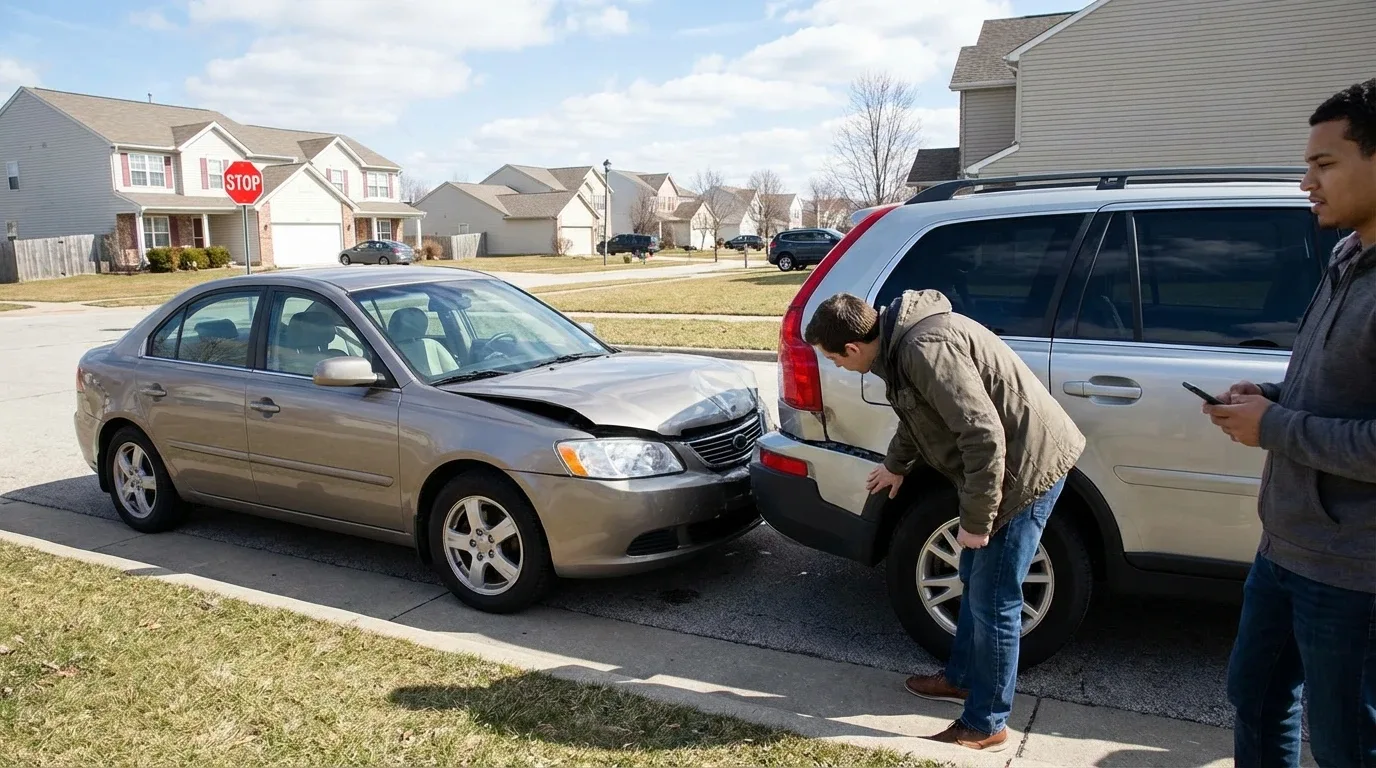
Third-Party Liability Coverage
Legal work for policyholders facing a claim that someone else caused injury or property damage, where the client's own auto, homeowners, renters, business, or umbrella policy should provide liability coverage for the incident.
Preview intake →
UM or UIM Auto Claims
A claim brought under the injured party's own auto policy when the at-fault driver had no insurance, insufficient coverage, or fled the scene, requiring proof of the claimant's own coverage and the other driver's insurance status.
Preview intake →Information you need before every insurance law matter
- Insurance Company ’Re Having
- Have (Or Did Have)
- File Claim With Insurance
- Insurance Company Denied Claim,
- Insurance Company Delayed Claim
- Insurance Company Ask Unnecessary
- Have Financial Harm Because
- This Denial Or Major
- Issue About Builders Risk
- Had Loss Or Damage
How insurance law lead scoring works
Value signals
- Insurance Company ’Re Having: yes
- Have (Or Did Have): yes
- File Claim With Insurance: yes
- Insurance Company Denied Claim,: yes
- Insurance Company Delayed Claim: yes
- Insurance Company Ask Unnecessary: yes
Urgency signals
- Had Loss Or Damage
- Loss Happen While Builders
- Business Have Active Business
- Business Have Close, Reduce
- Claim Or Alleged Events
- Have Active Policy At
Lower-fit signals
- This Matter Mainly About: no
Your visitor has a real matter. A contact form can’t hear it.
People and businesses seeking counsel arrive ready to explain the matter. Give them a conversation instead of a dead form — and get exactly what you need to win it.
Three empty fields and silence
- No matter details or scope
- No documents or context
- No way to tell a real lead from a tire-kicker
- You chase; most never reply
A guided conversation that converts
- Full matter scope in their own words
- Reports, contracts, and filings attached automatically
- Every lead scored by value
- High-intent leads flagged for you
From first click to qualified lead
Follow people and businesses seeking counsel through one smooth, guided flow.
They land & meet you
Your video greeting plays instantly — a real face instead of a blank form.
They explain the matter
Smart questions adapt to their matter and capture the full scope.
They share the documents
The facts, dates, and any paperwork come attached, so you can assess the matter before the consultation.
You get a ready lead
Scored and qualified — waiting for you to win it.
From template to routed lead
Cliont handles website intake and qualification; your existing business system remains the source of record after handoff.
Choose the right intake
Start with the industry, service, and matter template that matches the work you want to qualify.
Configure the experience
Add your video greeting, keep the questions you need, and choose which answers affect fit, urgency, and value.
Connect it to your site
Embed the guided intake on the relevant service page and test the complete phone, tablet, and desktop experience.
Route the qualified lead
Send the score, answers, and uploads into your chosen notification, CRM, or calendar workflow for staff follow-up.
Insurance Law lead-intake FAQs
What does a insurance law intake collect?
Each insurance law template asks job-specific questions drawn from the selected service, then captures contact details and relevant documents. The resulting submission gives the team more context than a name-and-email contact form.
How are insurance law leads scored?
Cliont weights answers that indicate scope, urgency, fit, and potential value. It sends the score with the visitor's answers so the team can prioritize stronger insurance law opportunities without manually reviewing every raw submission first.
Can visitors try a insurance law intake on a phone?
Yes. The guided intake is designed for mobile, tablet, and desktop browsers. Visitors can answer questions and attach the requested files from the device they already have with them.
Where can qualified insurance law leads be sent?
Cliont can route qualified leads to email, SMS, Slack, common CRM and calendar tools, Zapier, webhooks, or an API workflow. Cliont handles lead intake and qualification; the connected practice or business system remains the source of record after handoff.
Simple, transparent pricing
Choose the plan that works for your business.
Professional
Unlimited intake forms and leads for your growing business.
- Unlimited intake forms
- Custom video greetings
- AI-powered voice bot
- English + Spanish support
- Automatic lead scoring
- Digital estimates & e-signatures
- Photo, video & file upload
- Advanced analytics dashboard
Pay Per Lead
Only pay when you receive a qualified lead.
- Unlimited intake forms
- Custom video greetings
- AI-powered voice bot
- English + Spanish support
- Automatic lead scoring
- Digital estimates & e-signatures
- Photo, video & file upload
- Charged only for submitted leads
Browse every legal intake template
While they’re still using contact forms, you’re booking cases
Give every website visitor a guided, bilingual, qualifying intake — and turn your insurance law traffic into signed work.