Qualify more maritime and admiralty law leads before the first call
A basic contact form gives you a name, an email, and silence. Cliont greets every visitor with your video, walks them through their matter, collects documents, and hands you a scored, qualified lead.
A custom intake for every maritime and admiralty law matter
Each one is a ready-to-embed smart survey tuned to the matter — open any to try the exact experience your leads would complete.
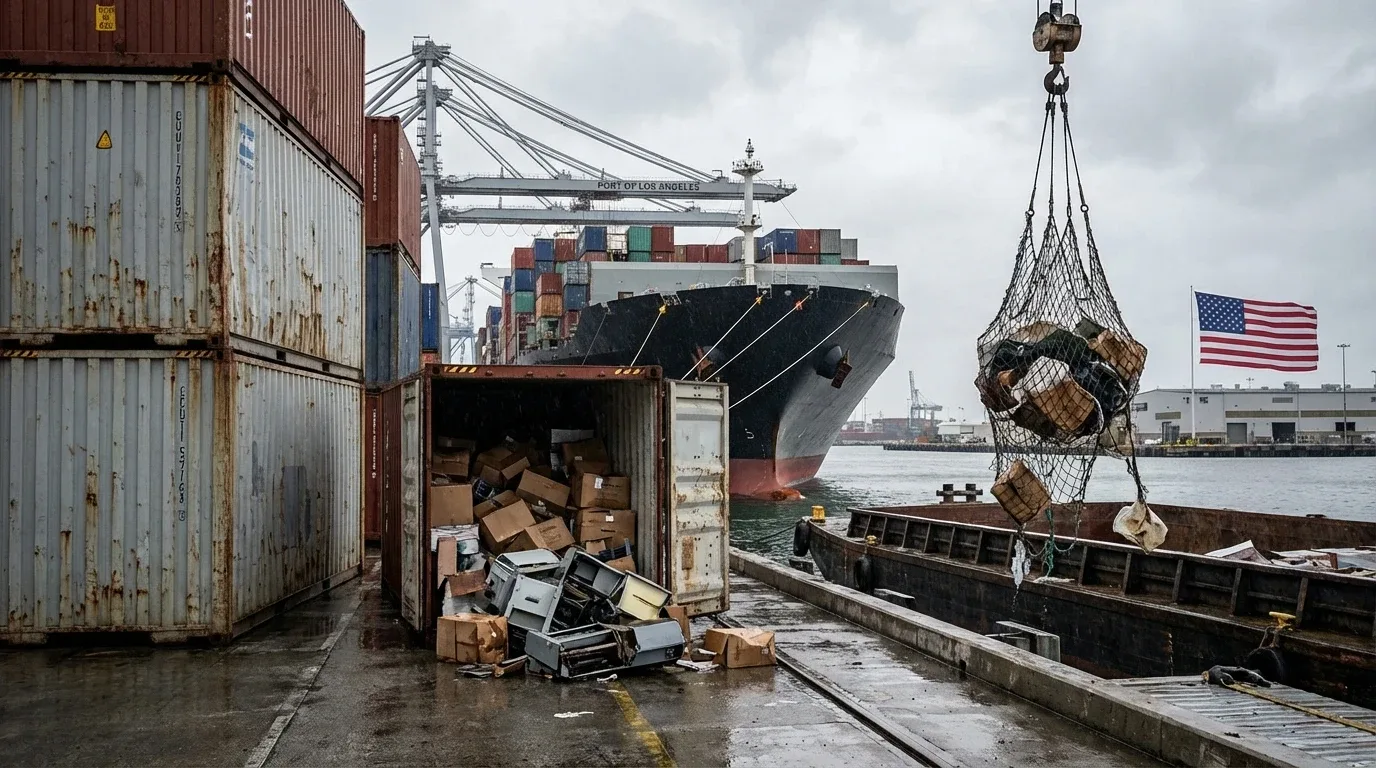
Cargo Damage and Loss
A claim arising from cargo that was damaged, lost, or delivered short during an ocean or inland water shipment to or from the United States, brought by the cargo owner, shipper, consignee, or their insurer against the carrier or party with custody of the goods.
Preview intake →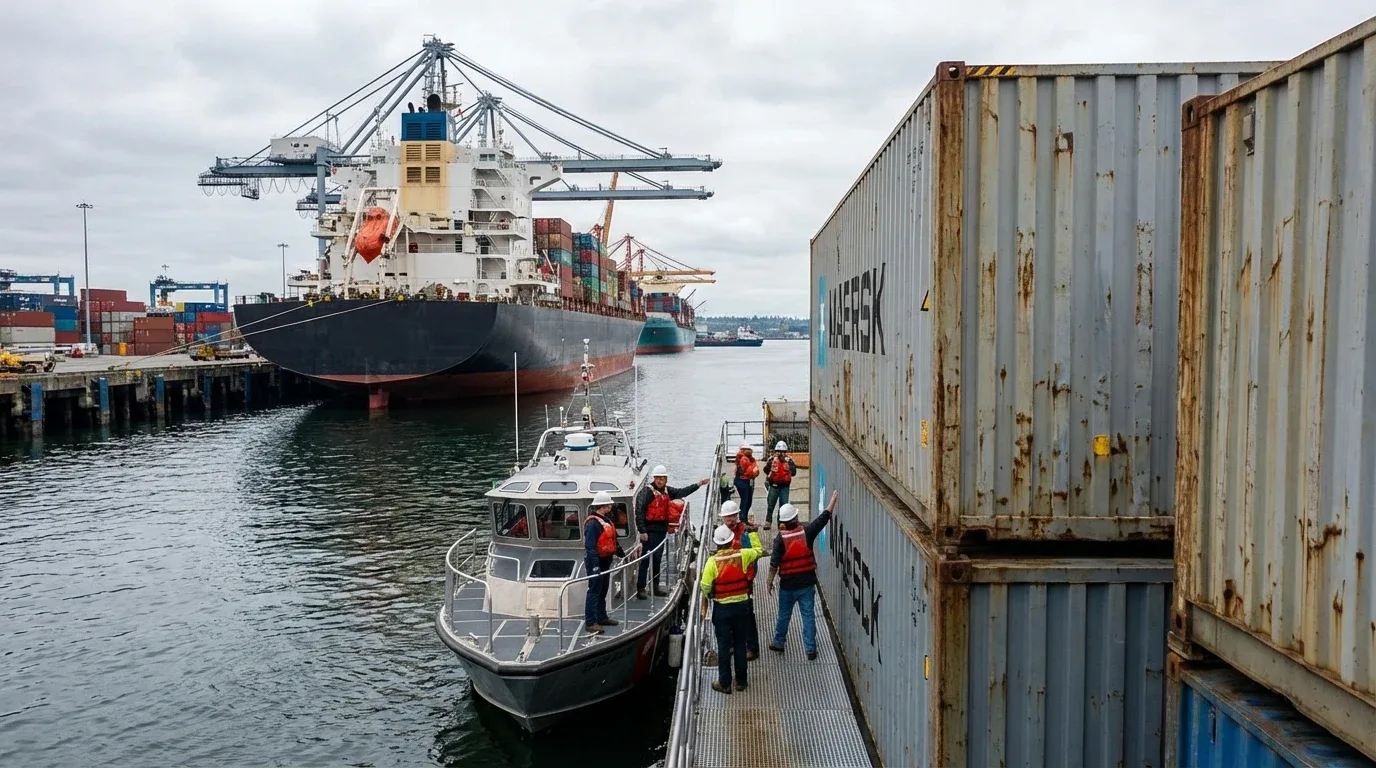
Charter Party Disputes
A dispute arising from a vessel charter agreement — time, voyage, or bareboat — typically involving nonpayment, off-hire disagreements, cargo delay, demurrage, or wrongful cancellation between an owner, charterer, or broker.
Preview intake →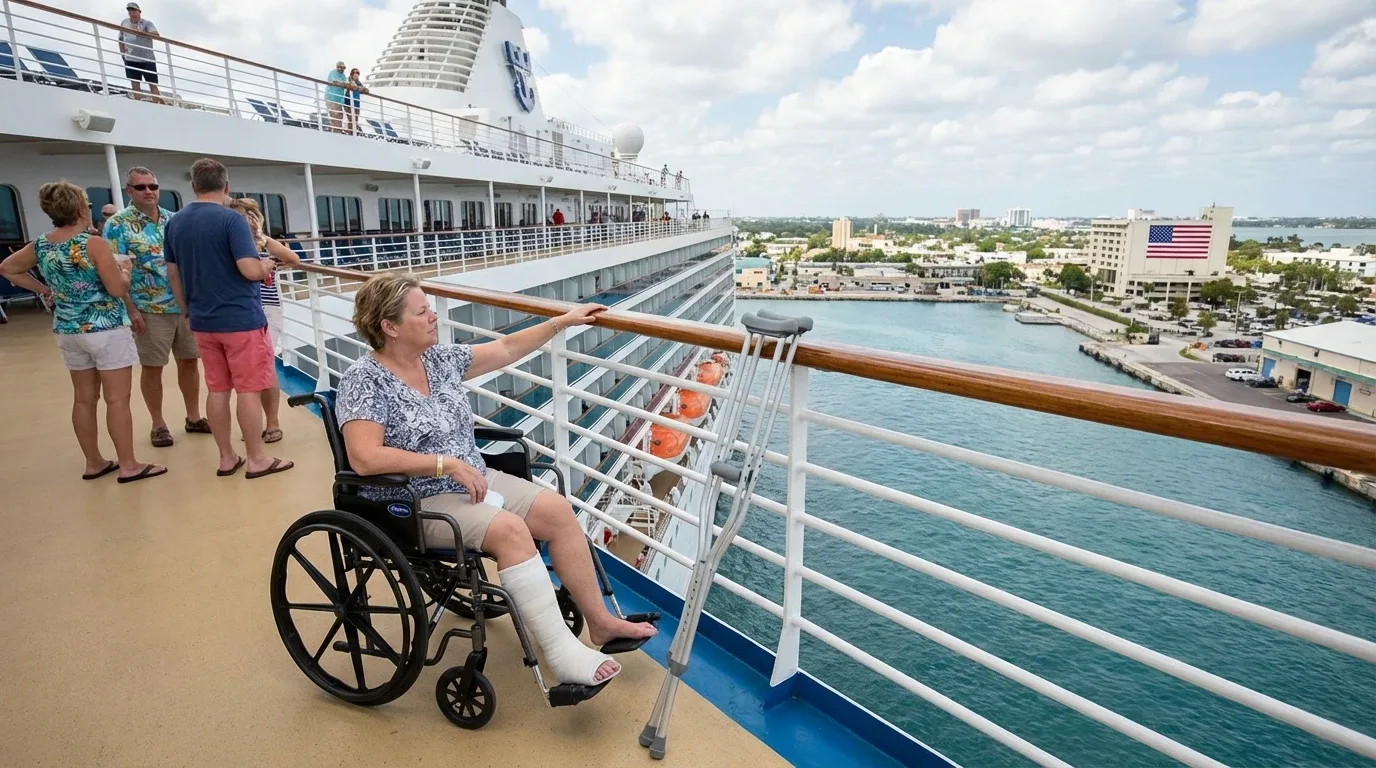
Cruise Ship Passenger Injuries
Injury or illness claims brought by a cruise ship passenger against a cruise line, arising onboard the vessel or during a cruise-sponsored excursion or tender boat trip, where maritime law rather than standard premises-liability rules typically governs.
Preview intake →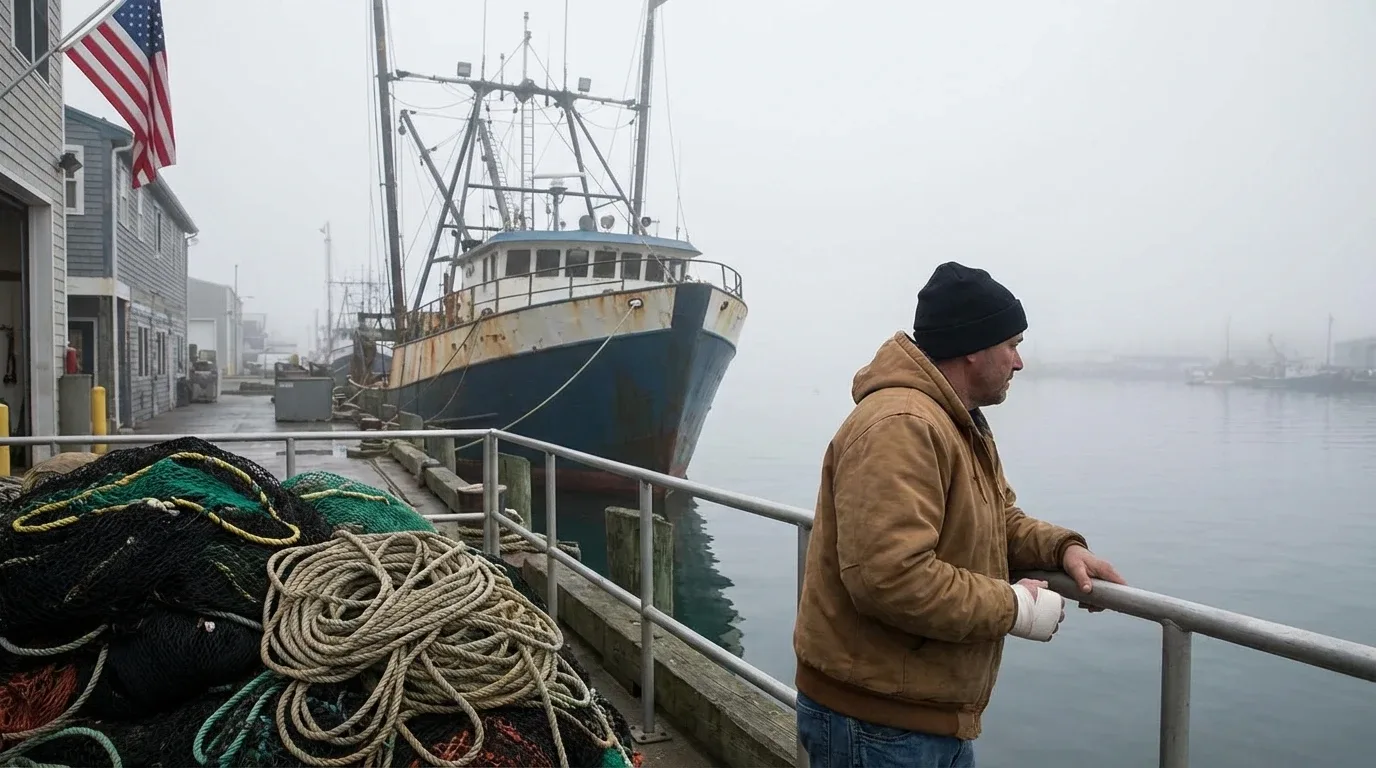
Jones Act Seamen Claims
A claim brought by an injured crew member against a vessel owner or employer under the Jones Act, requiring proof of seaman status, a connection to navigable waters, and employer negligence.
Preview intake →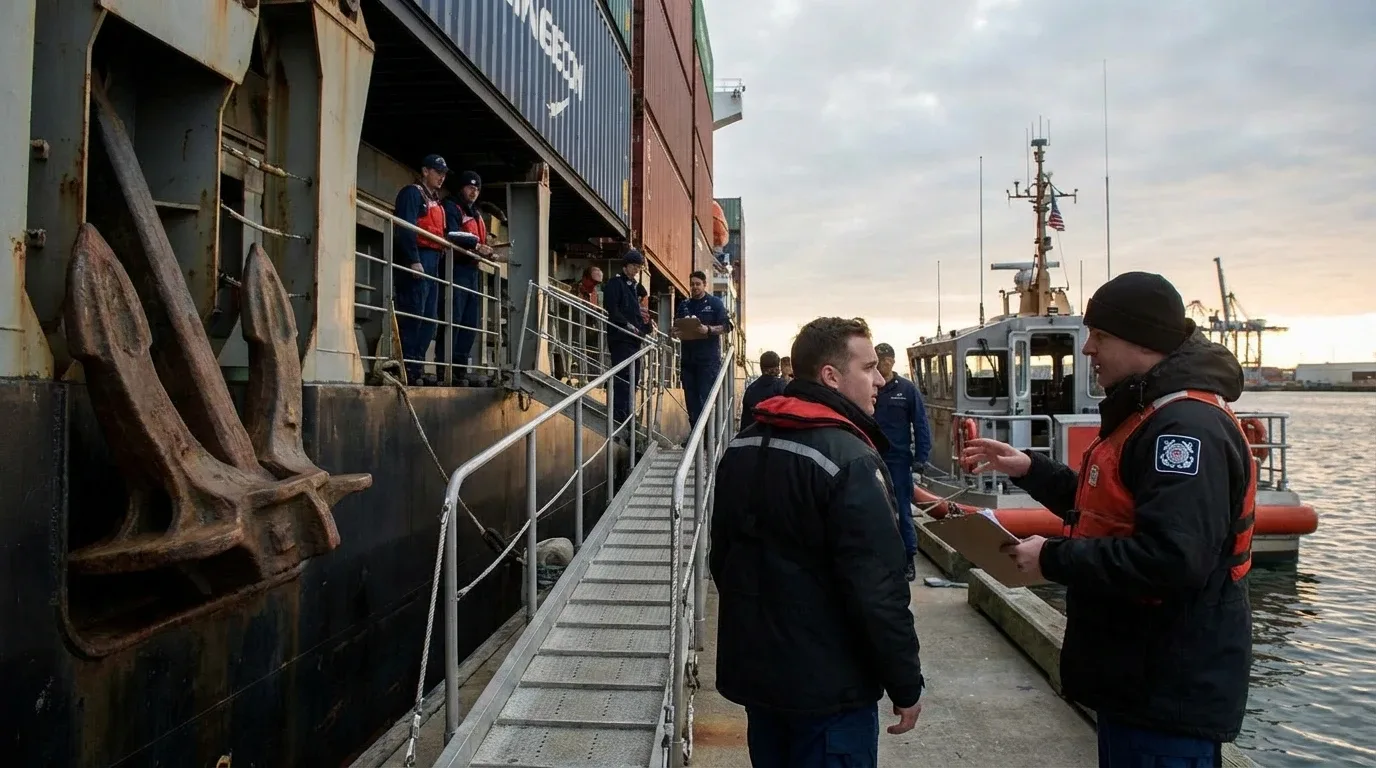
Limitation of Liability Actions
A federal court proceeding where a vessel owner facing a claim for injury, death, cargo loss, pollution, or property damage seeks to cap their liability at the value of the vessel, provided the loss occurred without the owner's privity or knowledge.
Preview intake →
Longshore and Harbor Workers LHWCA
Federal workers' compensation claims under the LHWCA for maritime employees—dockworkers, longshoremen, and shipyard, terminal, or vessel-repair workers—injured while loading, unloading, building, or maintaining vessels on or near navigable waters, distinct from Jones Act seamen claims.
Preview intake →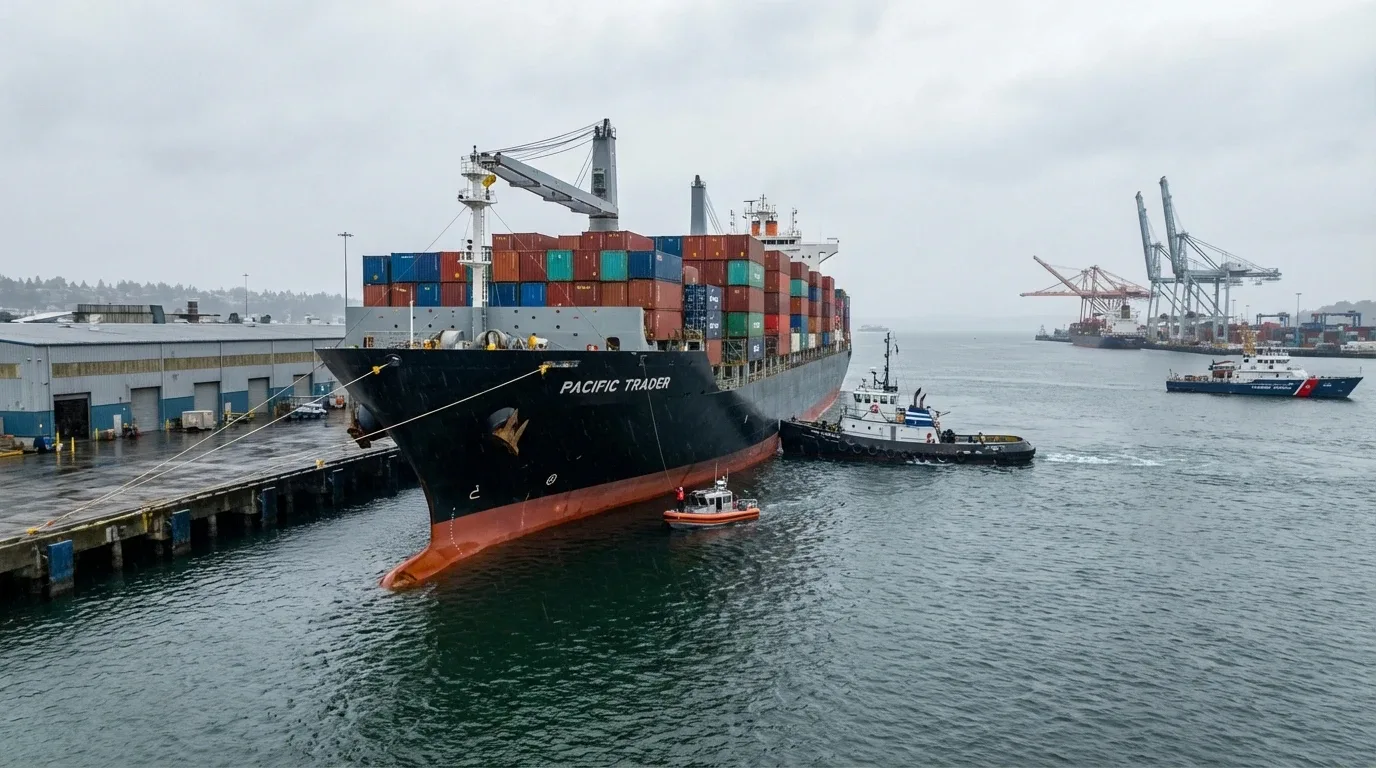
Marine Insurance Coverage
Disputes over whether a marine insurance policy covers a loss to a boat, ship, yacht, cargo, or marina/port operation — typically triggered by a denied claim, a delayed payout, or an offer far below the actual damage.
Preview intake →
Maritime Arbitration
Resolution of a maritime contract or commercial dispute — such as a charter, cargo, vessel-services, or marine-insurance dispute — through a private arbitration process rather than court litigation, typically triggered by an arbitration clause in the underlying agreement.
Preview intake →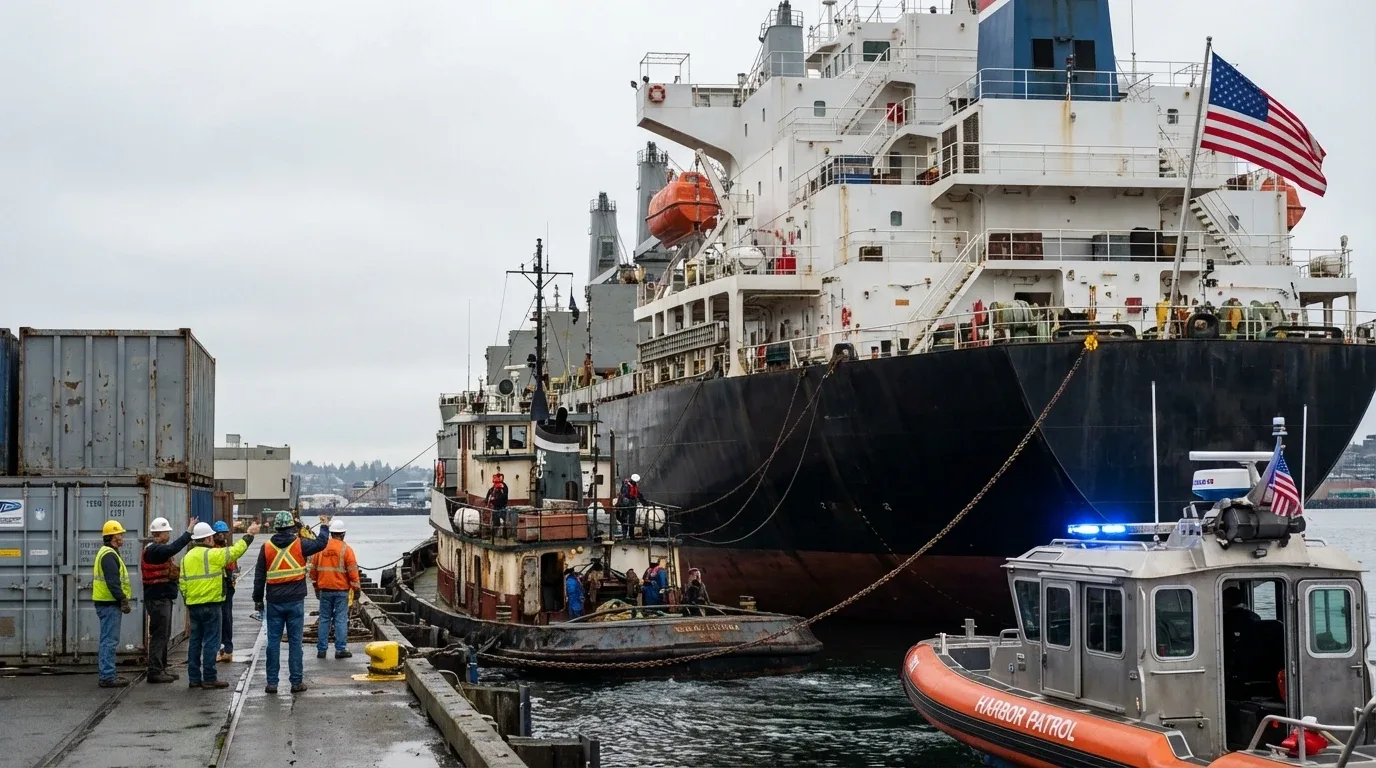
Maritime Liens
A maritime lien is a legal claim against a vessel itself for unpaid debts tied to repairs, fuel, supplies, towing, docking, storage, or crew wages — the intake needs to confirm a vessel is involved, the claim connects to navigable waters, and the dispute is recent enough and large enough to act on.
Preview intake →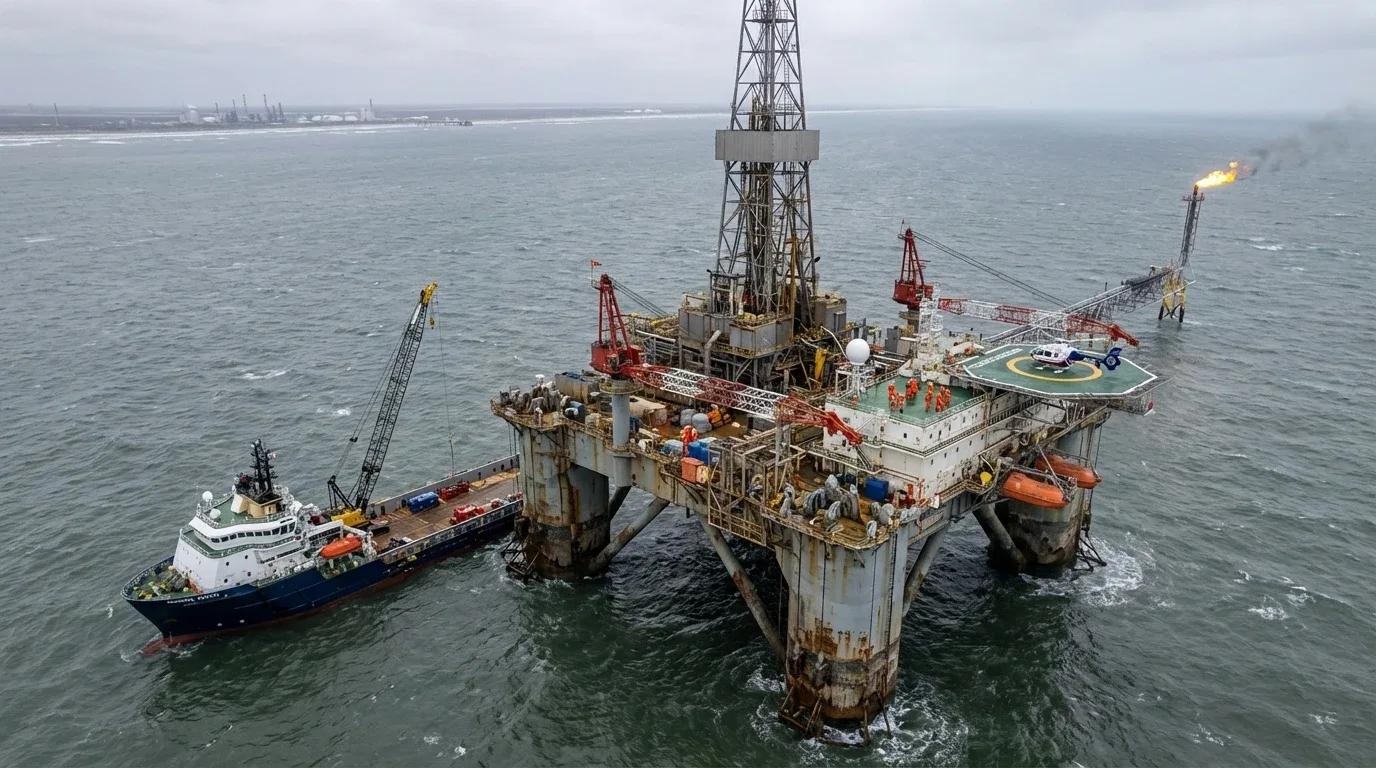
Offshore and Oilfield Injuries
Injuries suffered by workers on vessels, rigs, platforms, or during offshore transport in oil and gas operations, where qualification turns on where the injury happened, the worker's employment status, and whether unsafe conditions or equipment were involved.
Preview intake →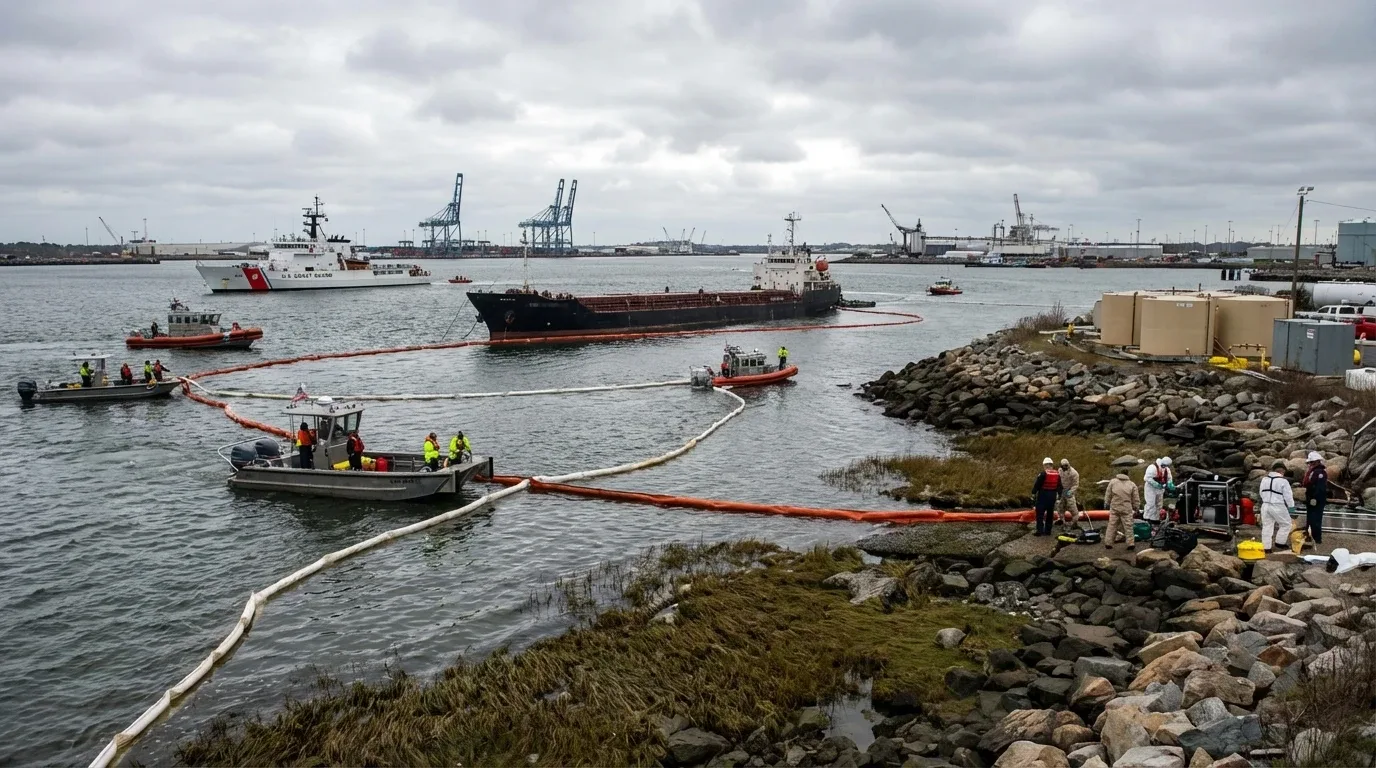
OPA 90 and Environmental Incidents
OPA 90 and Environmental Incidents covers claims arising from oil or fuel spills released into U.S. waters or onto U.S. shorelines, where the intake needs to establish the spill's source, the claimant's documented financial loss, and whether the incident falls within the federal six-year claims window.
Preview intake →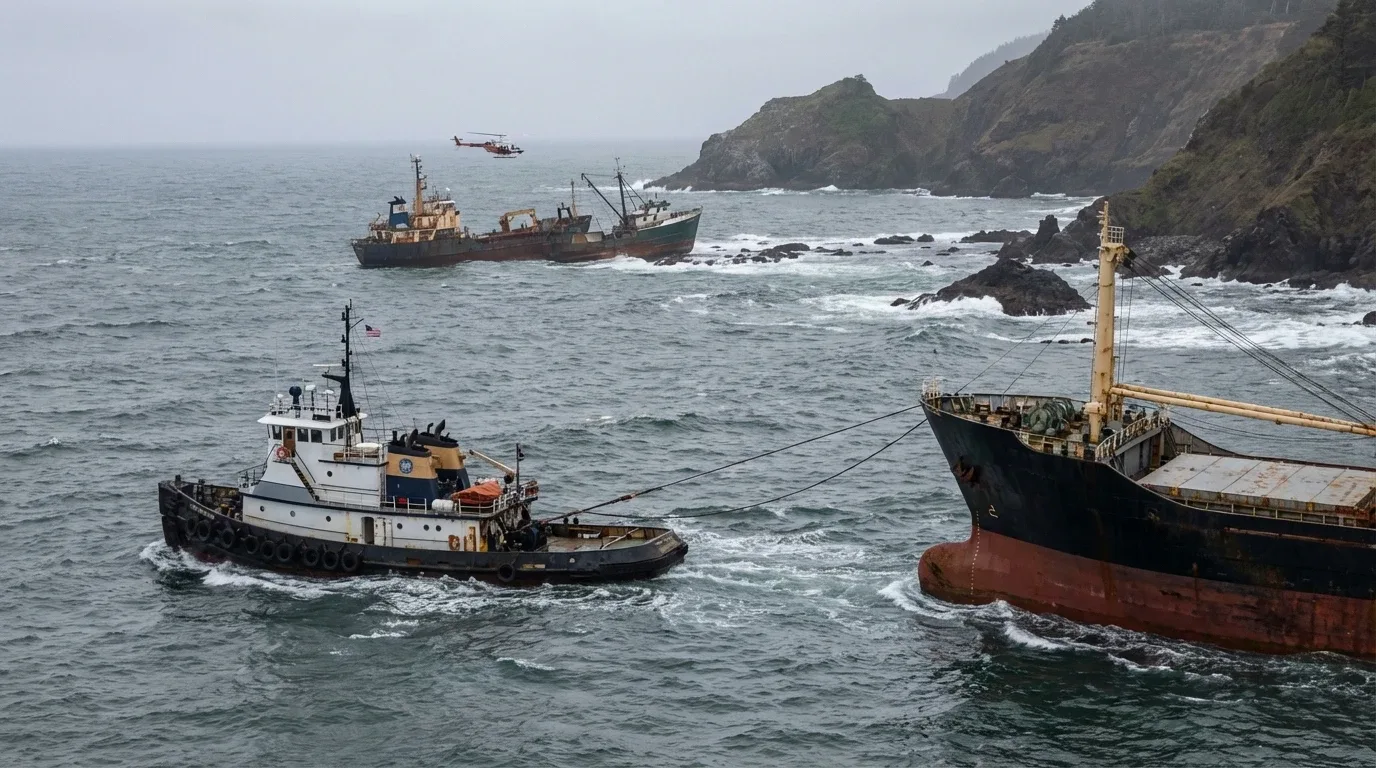
Salvage and Towage
Claims and disputes arising from towing a disabled vessel or salvaging a vessel, cargo, or property in distress on U.S. navigable waters, including fights over the salvage award, the towing contract, or damage and injury caused during the operation.
Preview intake →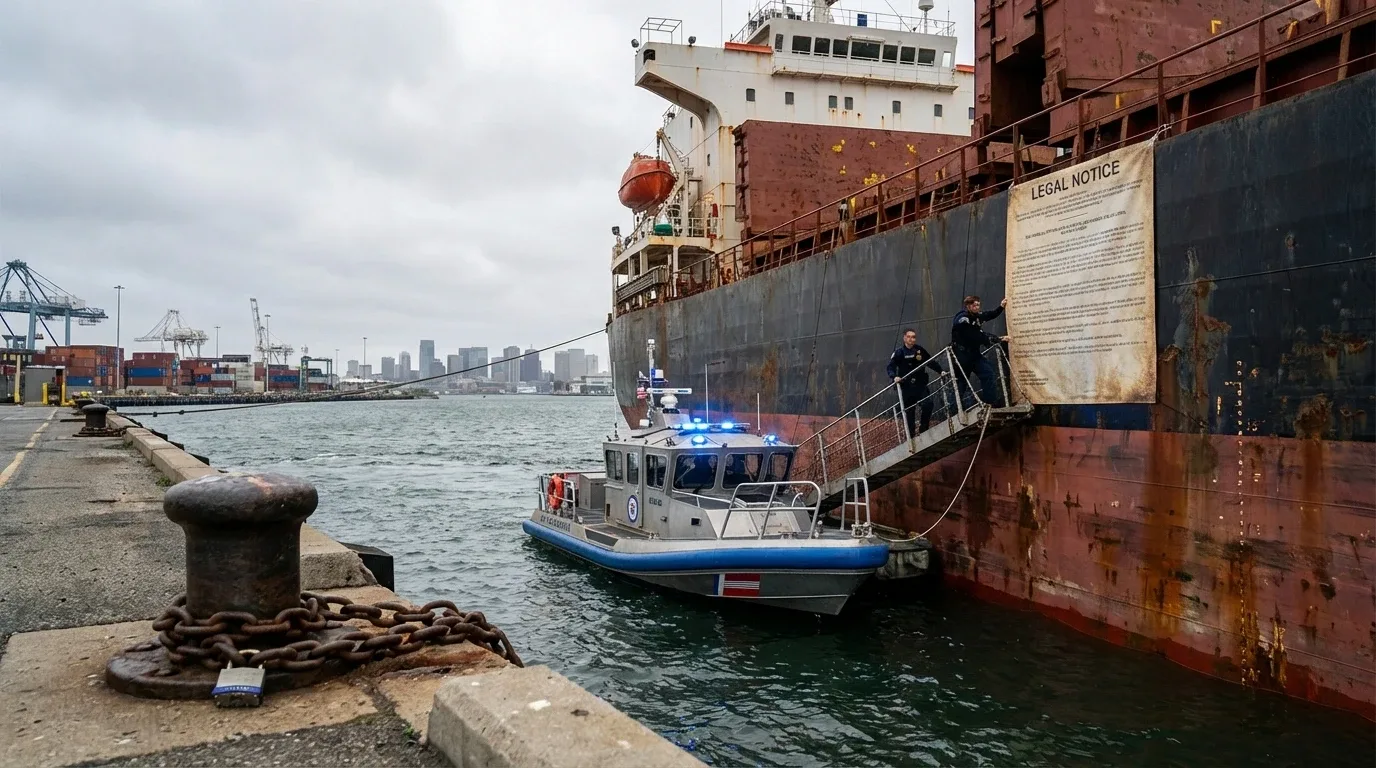
Vessel Arrest and Attachment
A maritime remedy where a claimant asks a U.S. court to seize a vessel as security for an unpaid maritime claim, typically requiring an in rem claim, a vessel that can be located within U.S. jurisdiction, and supporting documentation of the debt.
Preview intake →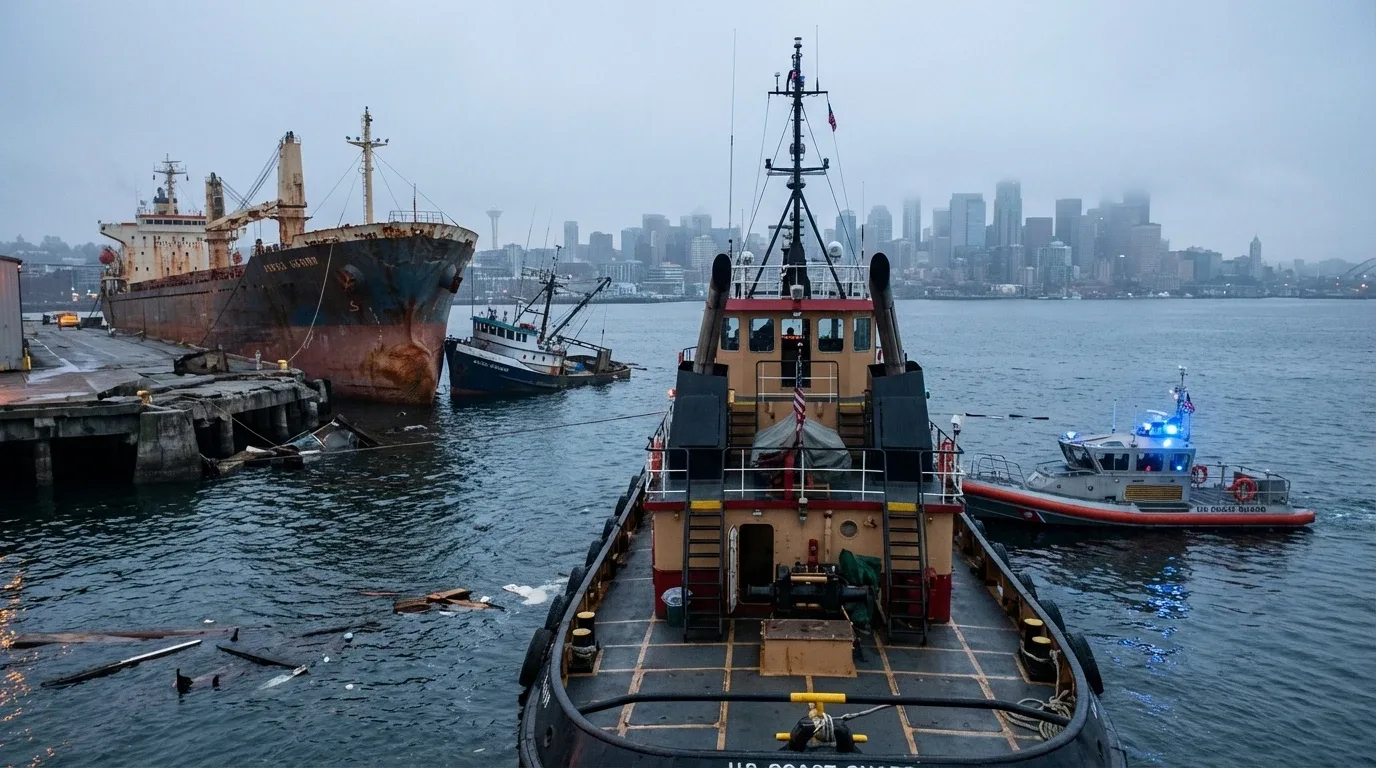
Vessel Collisions and Allisions
Claims arising from one vessel striking another vessel (a collision) or striking a fixed object like a dock, bridge, or buoy (an allision), where the intake needs to establish jurisdiction, fault, and resulting harm before a maritime attorney gets involved.
Preview intake →Information you need before every maritime and admiralty law matter
- Cargo Damaged, Lost, Or
- Cargo Owner, Shipper, Consignee,
- Damage Or Loss Happen
- Have Shipping Documents (Such
- Estimated Value Cargo Damage
- Know Carrier Or Company
- Already Given Written Notice
- Dispute About Vessel Charter
- Charter Agreement Involve Commercial
- Dispute Involve U.S. Port,
How maritime and admiralty law lead scoring works
Value signals
- Cargo Damaged, Lost, Or: yes
- Cargo Owner, Shipper, Consignee,: yes
- Damage Or Loss Happen: yes
- Have Shipping Documents (Such: yes
- Estimated Value Cargo Damage: yes
- Know Carrier Or Company: yes
Urgency signals
- Cargo Damaged, Lost, Or
- Dispute Involve U.S. Port,
- There Been Breach Or
- Cruise Line, Its Staff,
- Incident Happen On Navigable
- Believe Employer Or Vessel
Your visitor has a real matter. A contact form can’t hear it.
People and businesses seeking counsel arrive ready to explain the matter. Give them a conversation instead of a dead form — and get exactly what you need to win it.
Three empty fields and silence
- No matter details or scope
- No documents or context
- No way to tell a real lead from a tire-kicker
- You chase; most never reply
A guided conversation that converts
- Full matter scope in their own words
- Reports, contracts, and filings attached automatically
- Every lead scored by value
- High-intent leads flagged for you
From first click to qualified lead
Follow people and businesses seeking counsel through one smooth, guided flow.
They land & meet you
Your video greeting plays instantly — a real face instead of a blank form.
They explain the matter
Smart questions adapt to their matter and capture the full scope.
They share the documents
The facts, dates, and any paperwork come attached, so you can assess the matter before the consultation.
You get a ready lead
Scored and qualified — waiting for you to win it.
From template to routed lead
Cliont handles website intake and qualification; your existing business system remains the source of record after handoff.
Choose the right intake
Start with the industry, service, and matter template that matches the work you want to qualify.
Configure the experience
Add your video greeting, keep the questions you need, and choose which answers affect fit, urgency, and value.
Connect it to your site
Embed the guided intake on the relevant service page and test the complete phone, tablet, and desktop experience.
Route the qualified lead
Send the score, answers, and uploads into your chosen notification, CRM, or calendar workflow for staff follow-up.
Maritime and Admiralty Law lead-intake FAQs
What does a maritime and admiralty law intake collect?
Each maritime and admiralty law template asks job-specific questions drawn from the selected service, then captures contact details and relevant documents. The resulting submission gives the team more context than a name-and-email contact form.
How are maritime and admiralty law leads scored?
Cliont weights answers that indicate scope, urgency, fit, and potential value. It sends the score with the visitor's answers so the team can prioritize stronger maritime and admiralty law opportunities without manually reviewing every raw submission first.
Can visitors try a maritime and admiralty law intake on a phone?
Yes. The guided intake is designed for mobile, tablet, and desktop browsers. Visitors can answer questions and attach the requested files from the device they already have with them.
Where can qualified maritime and admiralty law leads be sent?
Cliont can route qualified leads to email, SMS, Slack, common CRM and calendar tools, Zapier, webhooks, or an API workflow. Cliont handles lead intake and qualification; the connected practice or business system remains the source of record after handoff.
Simple, transparent pricing
Choose the plan that works for your business.
Professional
Unlimited intake forms and leads for your growing business.
- Unlimited intake forms
- Custom video greetings
- AI-powered voice bot
- English + Spanish support
- Automatic lead scoring
- Digital estimates & e-signatures
- Photo, video & file upload
- Advanced analytics dashboard
Pay Per Lead
Only pay when you receive a qualified lead.
- Unlimited intake forms
- Custom video greetings
- AI-powered voice bot
- English + Spanish support
- Automatic lead scoring
- Digital estimates & e-signatures
- Photo, video & file upload
- Charged only for submitted leads
Browse every legal intake template
While they’re still using contact forms, you’re booking cases
Give every website visitor a guided, bilingual, qualifying intake — and turn your maritime and admiralty law traffic into signed work.