Qualify more construction law leads before the first call
A basic contact form gives you a name, an email, and silence. Cliont greets every visitor with your video, walks them through their matter, collects documents, and hands you a scored, qualified lead.
A custom intake for every construction law matter
Each one is a ready-to-embed smart survey tuned to the matter — open any to try the exact experience your leads would complete.
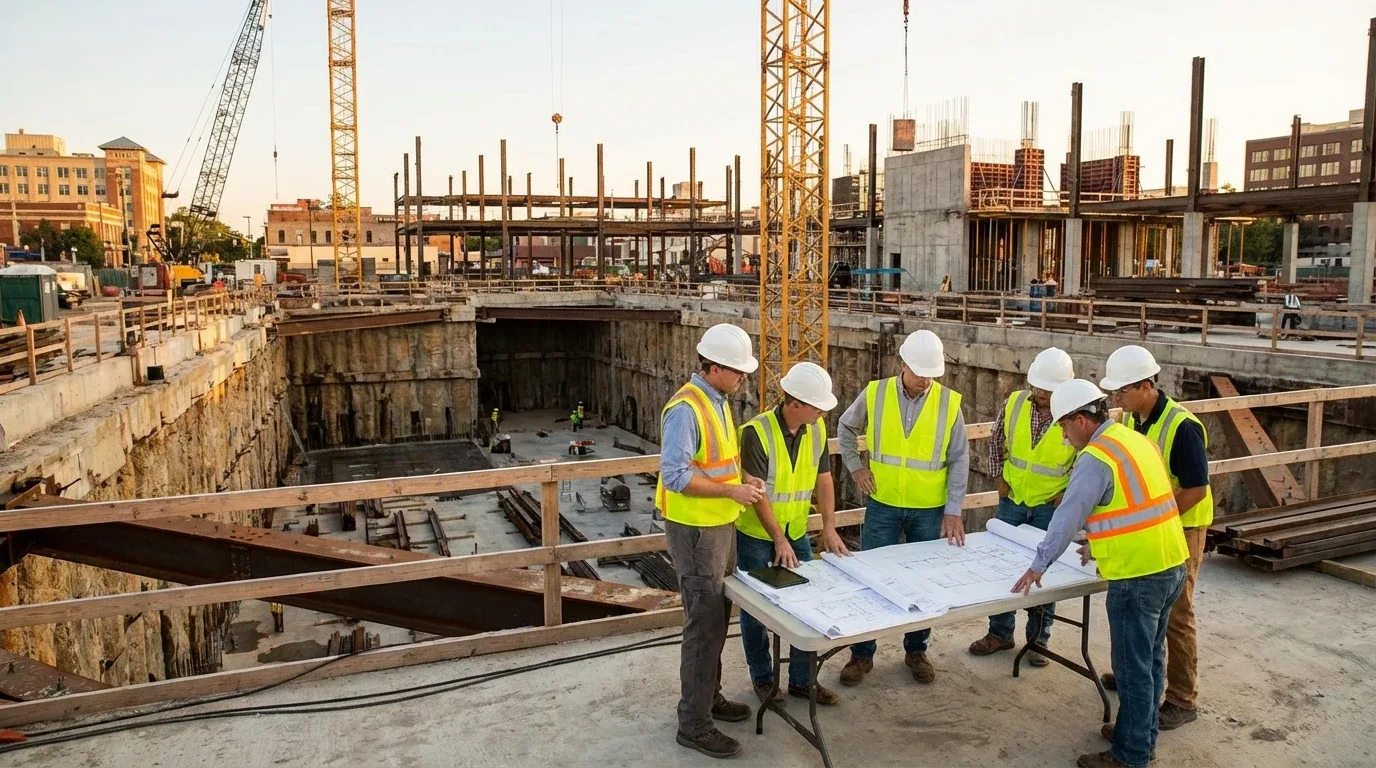
AIA and EJCDC Agreements
Matters involving construction contracts built on AIA or EJCDC standard forms — including review, drafting, and disputes over payment, change orders, delays, defects, or termination between owners, contractors, subcontractors, architects/engineers, or suppliers.
Preview intake →
Bid Protests and Disputes
A challenge to how a construction contract was bid, scored, or awarded — typically brought by a losing bidder, subcontractor, or supplier who believes the procurement process violated stated rules, most often on a public-agency project with a short filing window.
Preview intake →
Change Order and Extra Work Claims
A dispute arising when the scope of a construction project changes or extra work is performed beyond the original agreement, and the parties disagree over the payment or time owed for that change.
Preview intake →
Construction Arbitration and Mediation
Resolution of construction payment, delay, scope, or quality disputes through arbitration or mediation rather than litigation, typically triggered by a contract clause requiring it or a demand from the other party.
Preview intake →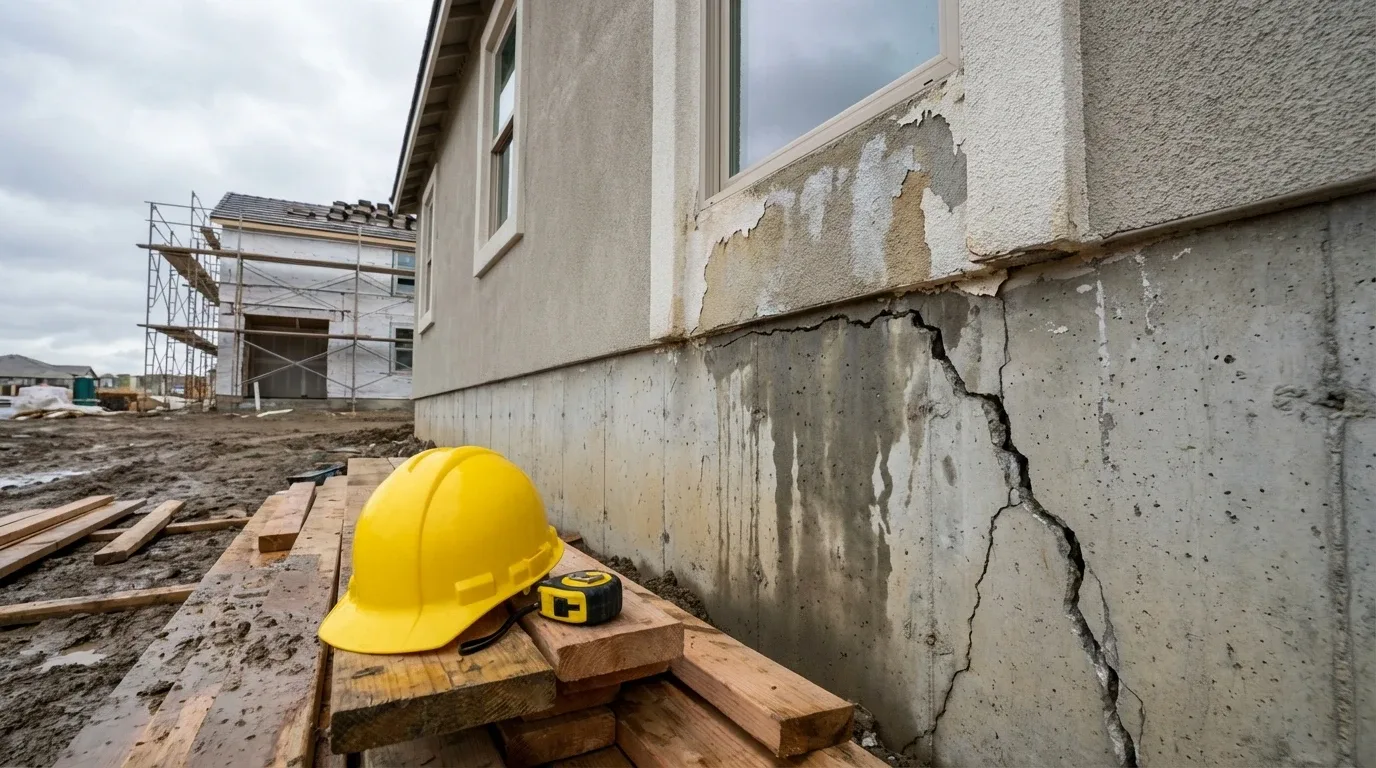
Construction Defect Claims
Claims brought by property owners against builders, contractors, or developers for damage or safety issues caused by defective construction or renovation work, rather than ordinary wear and tear.
Preview intake →
Contract Drafting and Negotiation
Preparing a new construction contract or reviewing and negotiating one before signature—covering price, schedule, change orders, payment terms, or warranties—for an owner, contractor, subcontractor, or supplier.
Preview intake →
Delay and Disruption Claims
A claim by a project owner, contractor, subcontractor, or supplier seeking compensation for schedule delays or work disruptions caused by another party, which turns on proving contract privity, causation, financial loss, and supporting documentation.
Preview intake →
Design Professional Liability
Claims against an architect, engineer, surveyor, or other design professional for a design or planning error that caused financial loss, delay, a failed inspection, or rework on a construction project.
Preview intake →
Licensing and Registration
Matters involving a construction contractor's license, registration, or permit status in the U.S. — including denials, suspensions, stop-work orders, or disputes tied to an unlicensed or improperly registered contractor.
Preview intake →
Lien Waivers and Releases
Disputes over lien waivers and releases signed (or requested) during a construction project, usually tied to payment being withheld, threatened, or already at issue.
Preview intake →
Mechanics and Materialmens Liens
A dispute over unpaid construction work, labor, or materials tied to a specific property, where a lien has been filed, threatened, or may need to be filed to secure payment.
Preview intake →
OSHA Compliance and Defense
Representation for contractors and construction businesses facing an OSHA citation, inspection, or safety investigation on a jobsite, including contesting penalties and building compliance programs.
Preview intake →
Payment and Performance Bonds
Claims made against a payment bond or performance bond on a construction project, typically because a contractor stopped work, didn't finish as promised, or a subcontractor/supplier wasn't paid for labor or materials furnished to the job.
Preview intake →
Prevailing Wage and Davis-Bacon
A wage dispute involving construction work performed on a government-funded or government-owned project, where the worker may have been paid less than the prevailing wage rate required under Davis-Bacon or a state equivalent.
Preview intake →
Project Closeout and Claims
Disputes that surface at the end of a construction project, covering final payment, retainage release, punch list completion, change orders, lien waivers, and claims for delay, defective, or incomplete work.
Preview intake →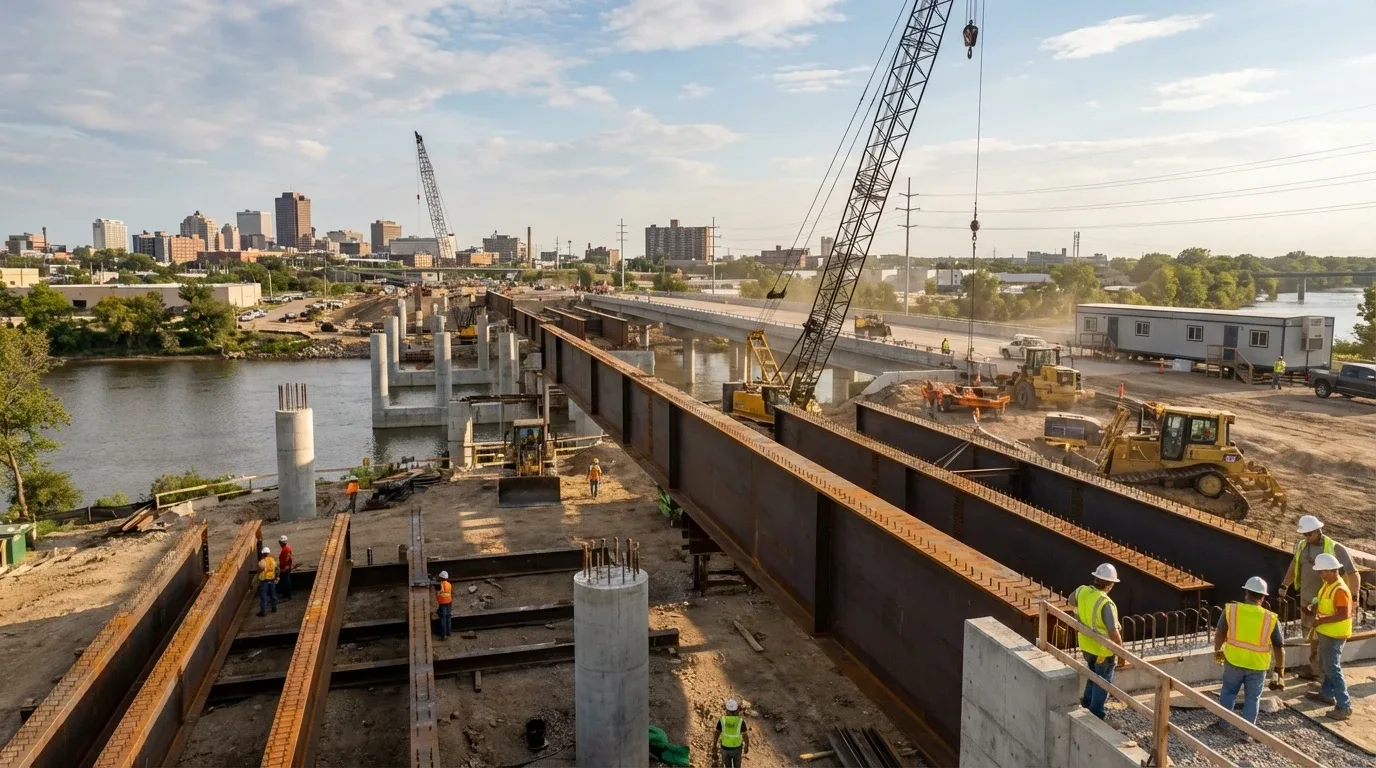
Public Works Projects
Disputes and claims arising from construction projects funded by a government agency (city, county, state, or federal) — including payment, change order, delay, termination, bid/procurement, bond, and contract issues raised by contractors, subcontractors, suppliers, designers, or sureties.
Preview intake →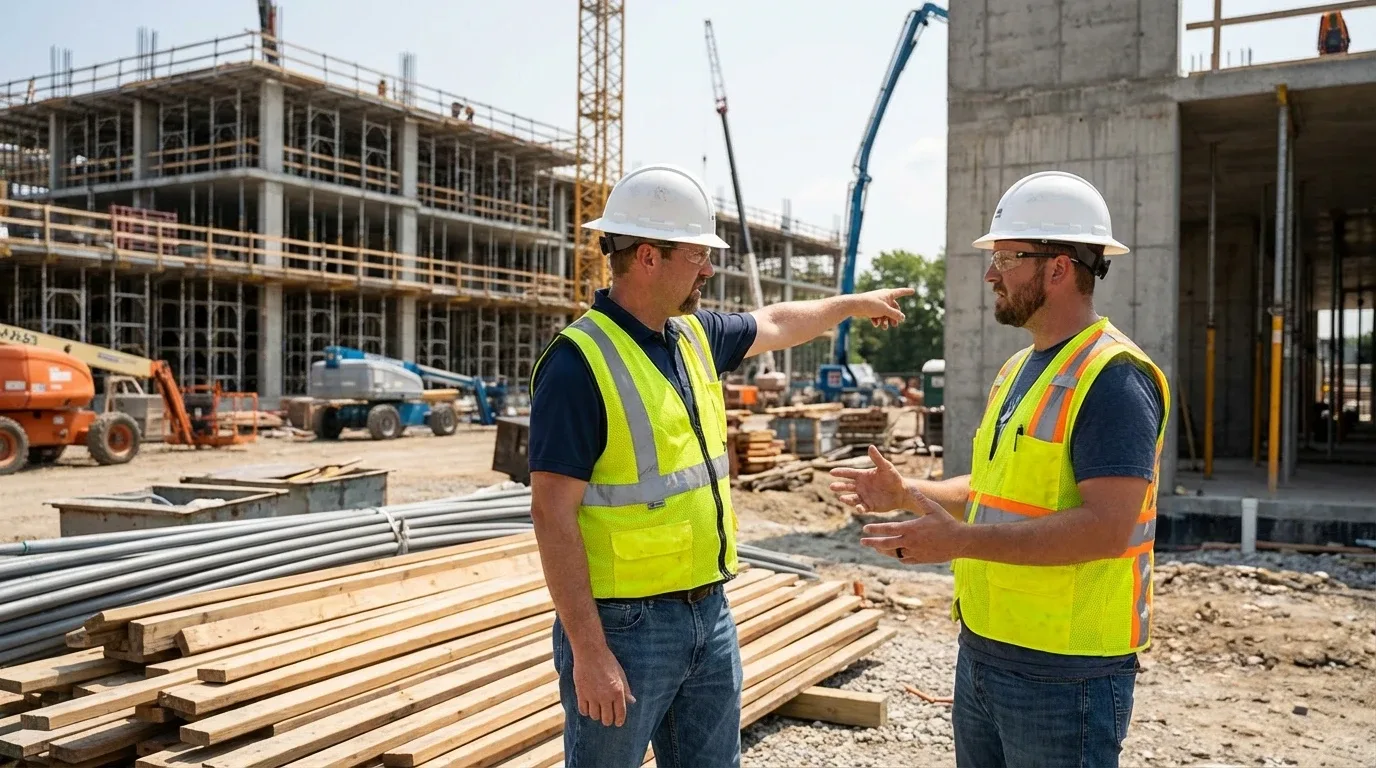
Subcontractor Disputes
A dispute between a subcontractor, general contractor, or property owner over payment, scope of work, change orders, delays, or workmanship on a construction project.
Preview intake →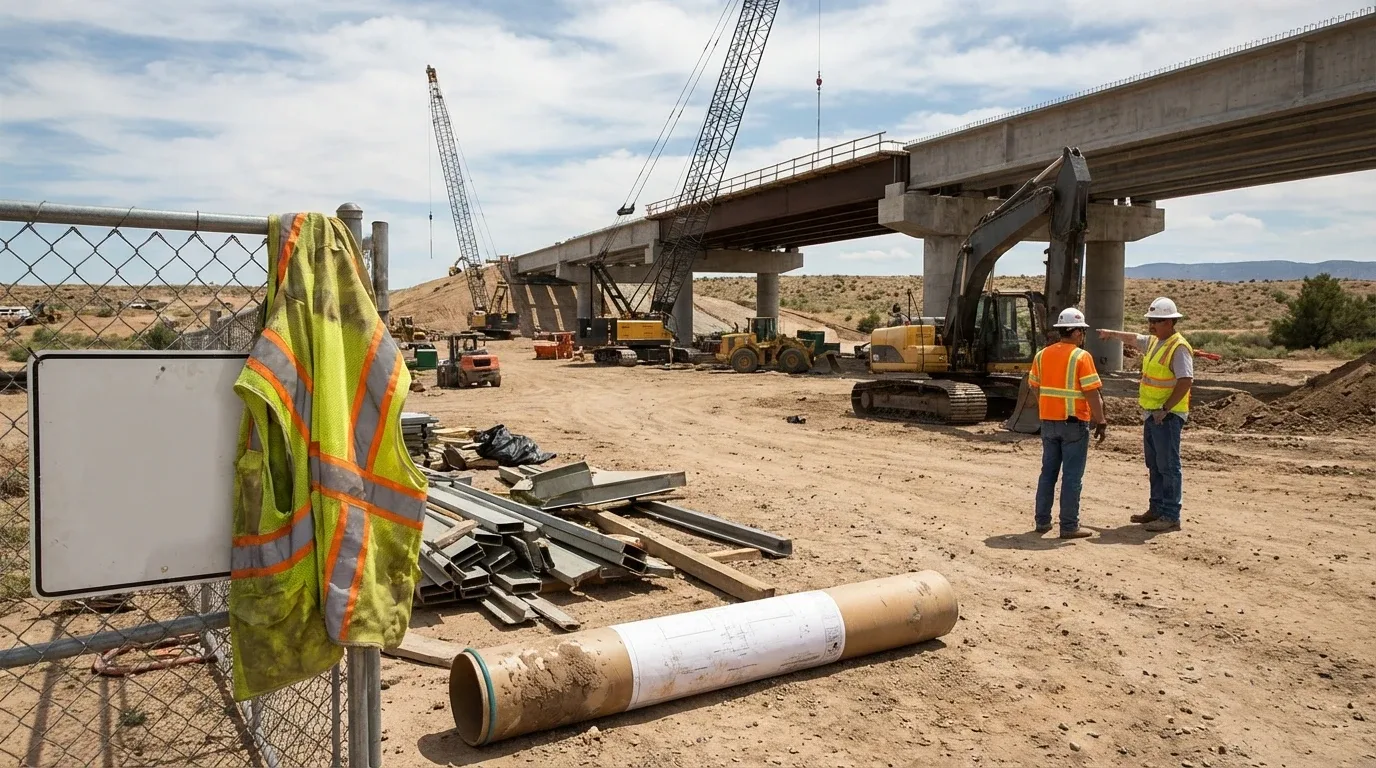
Surety Claims
A claim made against a surety bond—typically a payment or performance bond—by an unpaid subcontractor or supplier, or by an owner/GC seeking to recover costs after a bonded contractor failed to perform, with the intake needing to confirm bond details, claimant role, and timing.
Preview intake →Information you need before every construction law matter
- Issue About Construction Project
- Party Contract Or Directly
- Contract Use Aia Or
- Have Copy Signed Contract
- There Active Dispute Or
- Issue Happened Within Last
- There Money At Stake
- Bidder, Subcontractor, Supplier, Or
- Project Connected Government Agency
- Bid Decision Happen Within
How construction law lead scoring works
Value signals
- Issue About Construction Project: yes
- Party Contract Or Directly: yes
- Contract Use Aia Or: yes
- Have Copy Signed Contract: yes
- There Active Dispute Or: yes
- Issue Happened Within Last: yes
Urgency signals
- There Active Dispute Or
- There Active Dispute About
- Problem Caused Real Damage
- There Active Lien, Threat
Lower-fit signals
- This Mainly About Personal: no
- Already Signed Final Release/Waiver: no
Your visitor has a real matter. A contact form can’t hear it.
People and businesses seeking counsel arrive ready to explain the matter. Give them a conversation instead of a dead form — and get exactly what you need to win it.
Three empty fields and silence
- No matter details or scope
- No documents or context
- No way to tell a real lead from a tire-kicker
- You chase; most never reply
A guided conversation that converts
- Full matter scope in their own words
- Reports, contracts, and filings attached automatically
- Every lead scored by value
- High-intent leads flagged for you
From first click to qualified lead
Follow people and businesses seeking counsel through one smooth, guided flow.
They land & meet you
Your video greeting plays instantly — a real face instead of a blank form.
They explain the matter
Smart questions adapt to their matter and capture the full scope.
They share the documents
The facts, dates, and any paperwork come attached, so you can assess the matter before the consultation.
You get a ready lead
Scored and qualified — waiting for you to win it.
From template to routed lead
Cliont handles website intake and qualification; your existing business system remains the source of record after handoff.
Choose the right intake
Start with the industry, service, and matter template that matches the work you want to qualify.
Configure the experience
Add your video greeting, keep the questions you need, and choose which answers affect fit, urgency, and value.
Connect it to your site
Embed the guided intake on the relevant service page and test the complete phone, tablet, and desktop experience.
Route the qualified lead
Send the score, answers, and uploads into your chosen notification, CRM, or calendar workflow for staff follow-up.
Construction Law lead-intake FAQs
What does a construction law intake collect?
Each construction law template asks job-specific questions drawn from the selected service, then captures contact details and relevant documents. The resulting submission gives the team more context than a name-and-email contact form.
How are construction law leads scored?
Cliont weights answers that indicate scope, urgency, fit, and potential value. It sends the score with the visitor's answers so the team can prioritize stronger construction law opportunities without manually reviewing every raw submission first.
Can visitors try a construction law intake on a phone?
Yes. The guided intake is designed for mobile, tablet, and desktop browsers. Visitors can answer questions and attach the requested files from the device they already have with them.
Where can qualified construction law leads be sent?
Cliont can route qualified leads to email, SMS, Slack, common CRM and calendar tools, Zapier, webhooks, or an API workflow. Cliont handles lead intake and qualification; the connected practice or business system remains the source of record after handoff.
Simple, transparent pricing
Choose the plan that works for your business.
Professional
Unlimited intake forms and leads for your growing business.
- Unlimited intake forms
- Custom video greetings
- AI-powered voice bot
- English + Spanish support
- Automatic lead scoring
- Digital estimates & e-signatures
- Photo, video & file upload
- Advanced analytics dashboard
Pay Per Lead
Only pay when you receive a qualified lead.
- Unlimited intake forms
- Custom video greetings
- AI-powered voice bot
- English + Spanish support
- Automatic lead scoring
- Digital estimates & e-signatures
- Photo, video & file upload
- Charged only for submitted leads
Browse every legal intake template
While they’re still using contact forms, you’re booking cases
Give every website visitor a guided, bilingual, qualifying intake — and turn your construction law traffic into signed work.